What wine actually does to your gut microbiome
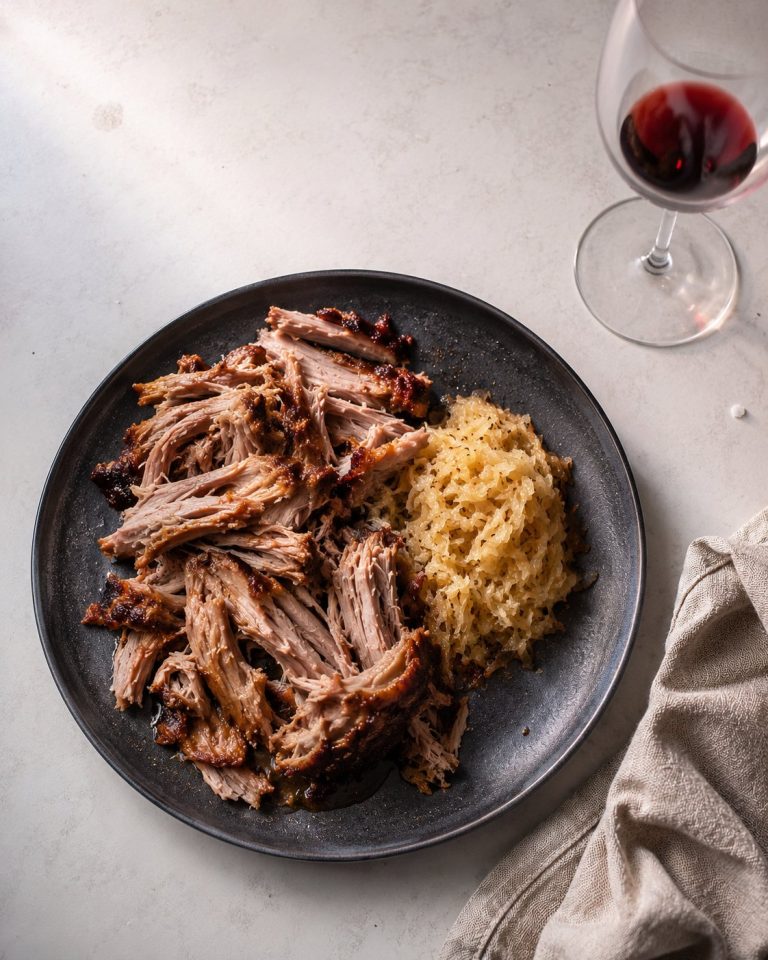
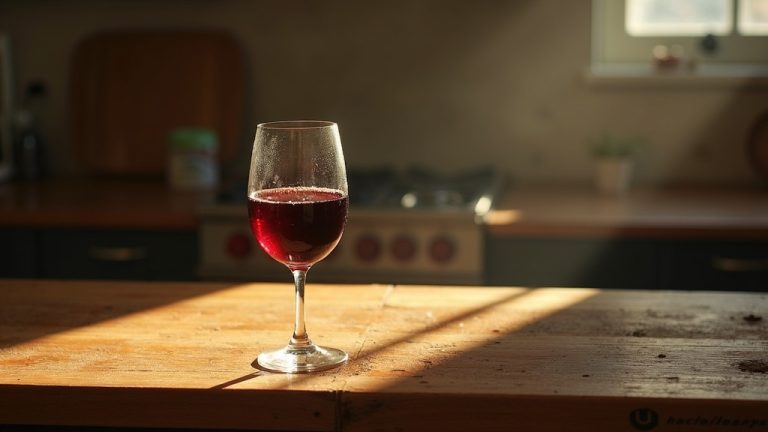
The relationship between red wine and gut health is more nuanced than the standard advice suggests. Here is what the research actually shows about polyphenols, dose, and the Inner Ecosystem.
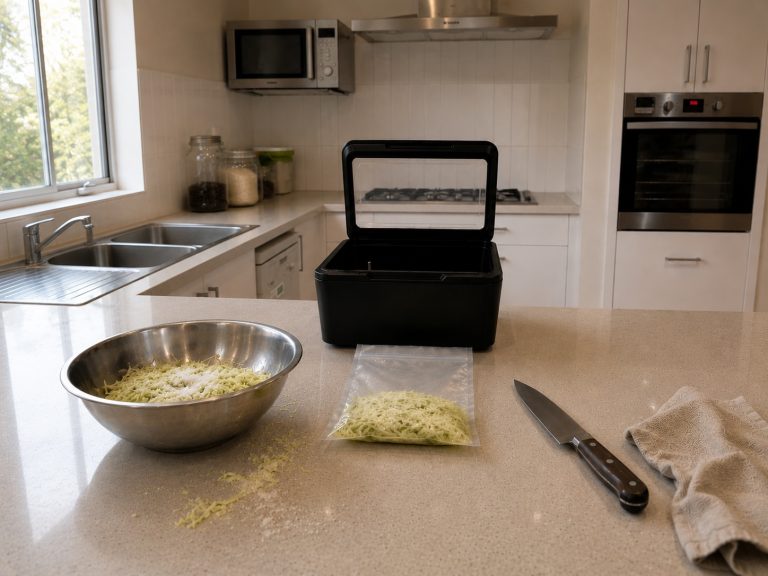
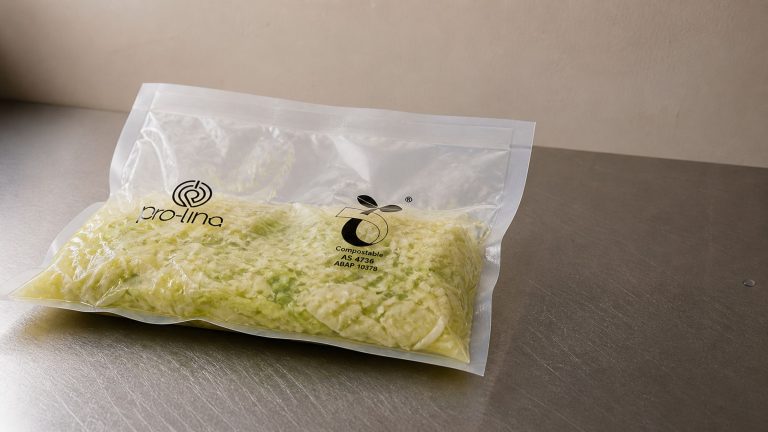
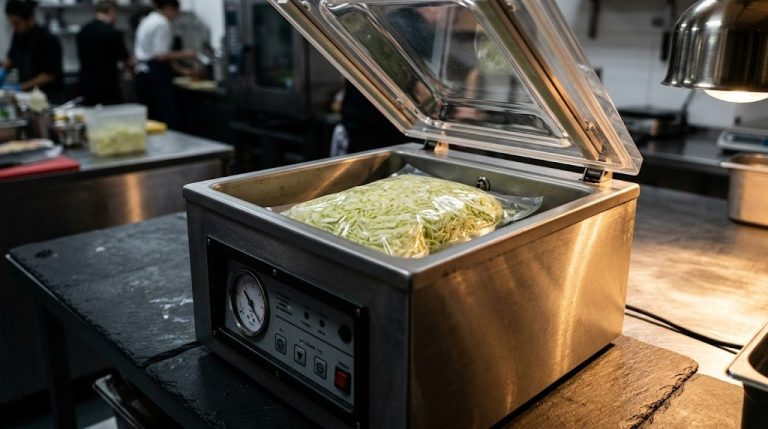
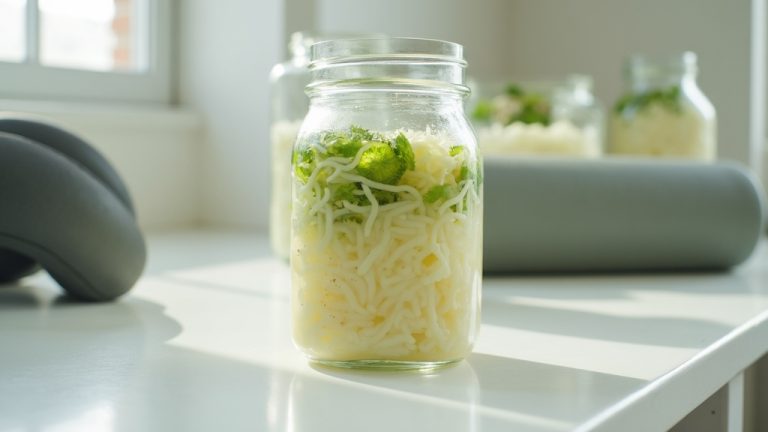
Chamber vacuum fermentation and traditional airlock jars start with the same ingredients. The physics of what happens next is completely different. Here is why pressure changes what your ferment produces.
Chronic low-grade inflammation from gut dysbiosis directly contributes to fascial stiffness and sluggish lymphatic flow. Here is the evidence, and the two-part protocol that addresses both.
Your microbiome runs on a circadian clock. That first meal is the signal that kicks your gut’s daytime crew into gear. Here is what the research says about working with the system.
Humans have been combining spices with fermented foods for thousands of years. Modern research is finally explaining why that instinct was correct, and it goes well beyond flavour.
Physical movement doesn’t just build muscle — it directly upgrades the gut-brain communication system. Here’s the mechanism, and why what you eat around training matters more than most people realise.
The gut-brain axis connects your gastrointestinal tract to your central nervous system through four distinct channels. Understanding how it works, and what disrupts it, is more practically useful than any individual supplement or protocol.
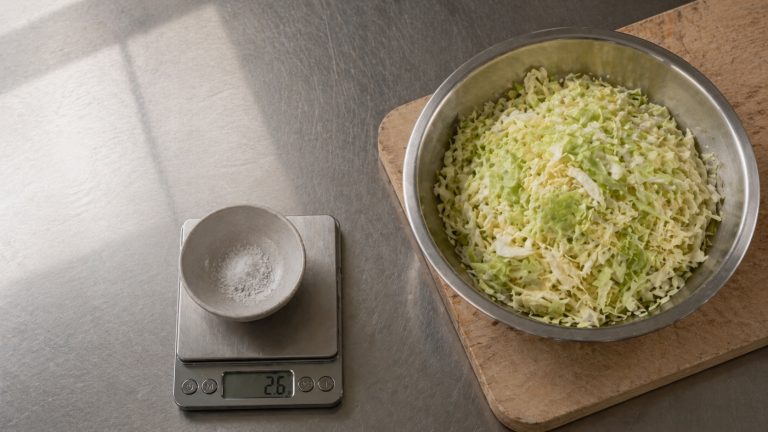
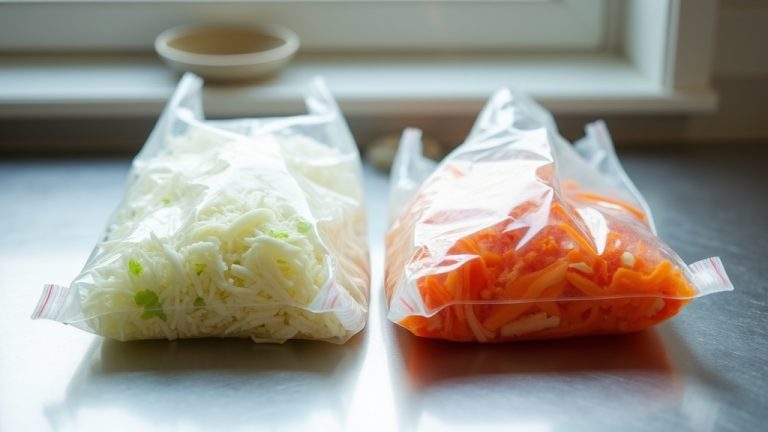
The science behind cabbage fermentation — what the bacteria actually do, what compounds they produce, and why it matters for your gut. Plus the chamber vacuum method that makes it practical.