Why fermenting a compound changes how much of it you absorb
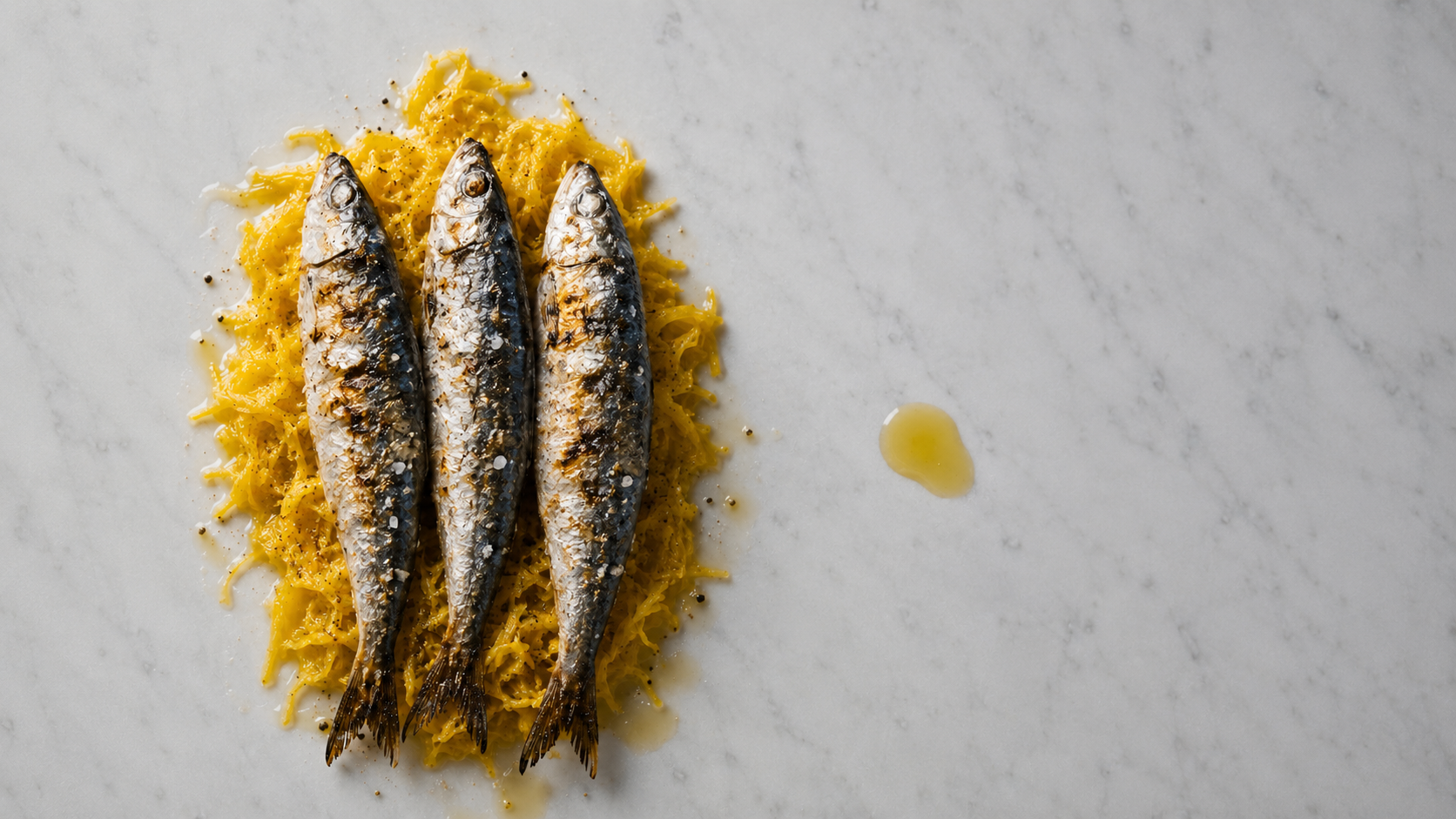
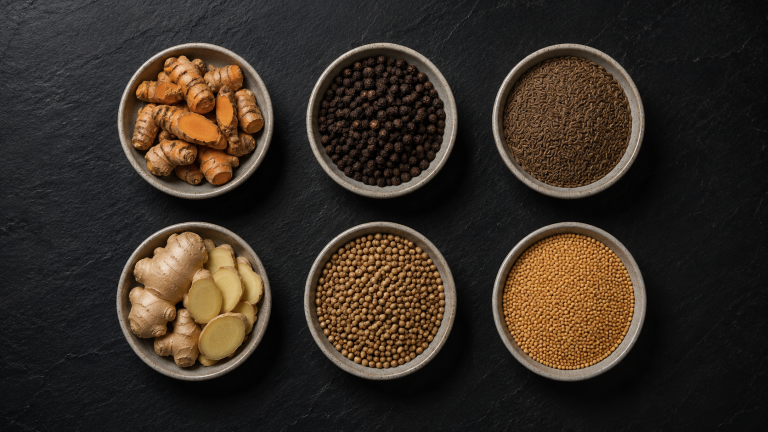
You add turmeric, caraway, ginger to the bag for flavour. Most of those compounds, in raw form, pass straight through you.
Plant actives travel bound to a sugar molecule, too big for the gut wall to absorb efficiently, so most of it leaves the body unused. Fermentation runs the step that frees them: the bacteria cut the sugar off before the food reaches your mouth, so what you swallow is already in absorbable form.
Last week, flavour was what the bacteria build. Absorption is the same. So the rule is simple: ferment the compound, do not garnish with it.
What the bacteria actually change
The mechanism has a name. Glycosylation. Most polyphenols in plants carry a sugar group, which keeps them stable in the plant but poorly absorbed in you.
Lactic acid bacteria carry enzymes, mainly beta-glucosidase, that cleave that sugar group off. What is left is the aglycone: the free compound, smaller and less water-loving. The small intestine takes it up far more readily.
The cleanest human evidence comes from soy. A 2016 double-blind crossover trial in Bioscience of Microbiota, Food and Health gave healthy women either fermented soymilk, in which the bacteria had already converted about a third of the isoflavones to the free form, or an unfermented control.
Blood levels of genistein and total isoflavones ran about 1.4 times higher over the five hours after the fermented drink. Same dose, different form, more absorbed.
The compounds in cabbage and spice are not identical to soy isoflavones, but the enzyme step is the same. A 2023 review in Foods maps how LAB beta-glucosidases free bound plant compounds across foods. A 2022 in vitro digestion study in the Italian Journal of Food Science found that fermenting white cabbage raised the bioaccessible phenolic fraction from about 125 per cent of the measured content to about 185 per cent.
Ferment the compound, do not garnish with it
This is the practical line that falls out of the mechanism. The conversion needs bacteria, contact, and time.
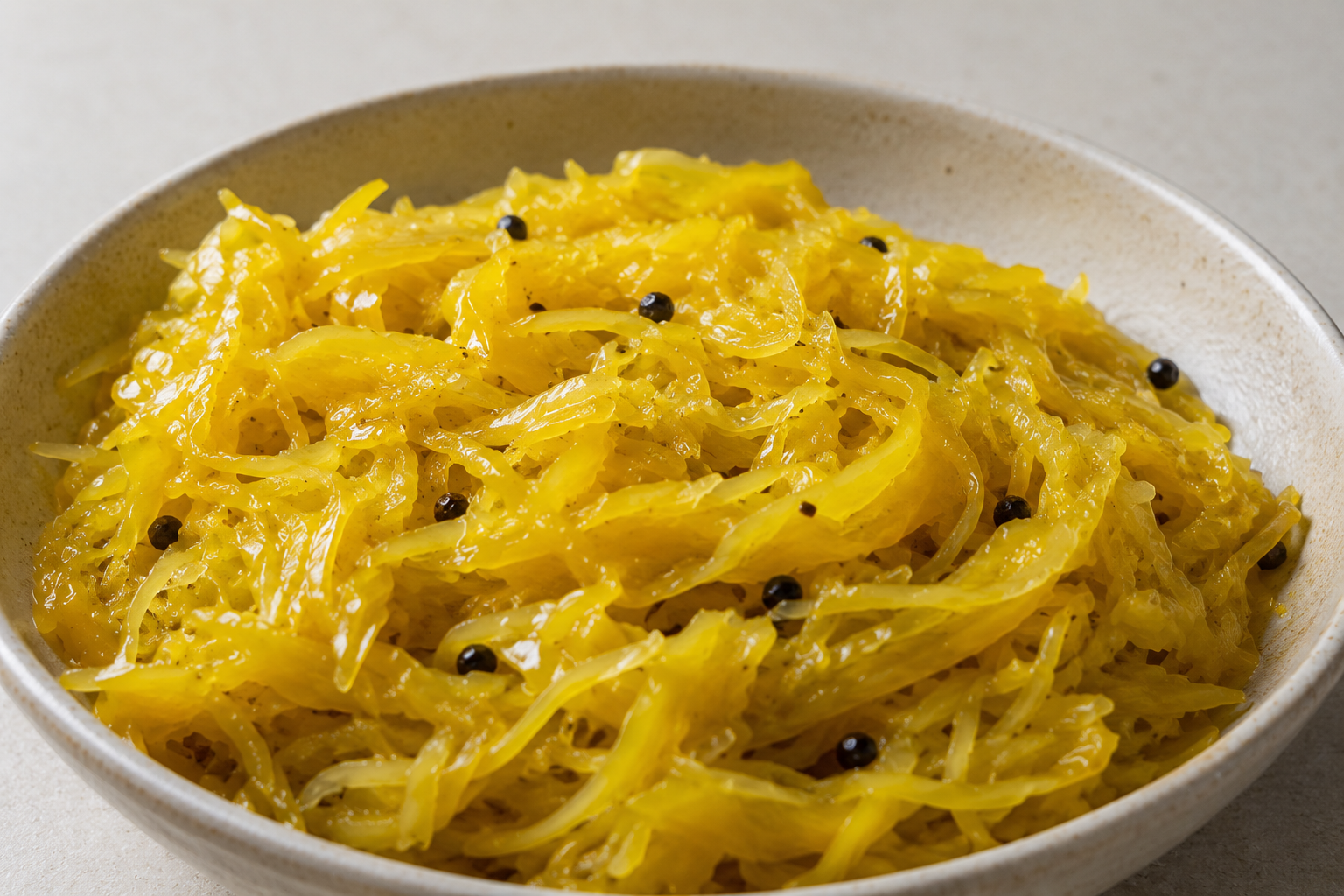
Sprinkle raw turmeric on the finished plate and you get the bound form your gut struggles with. Put it in the bag with the cabbage and you give the bacteria days to run the conversion before you ever eat it.
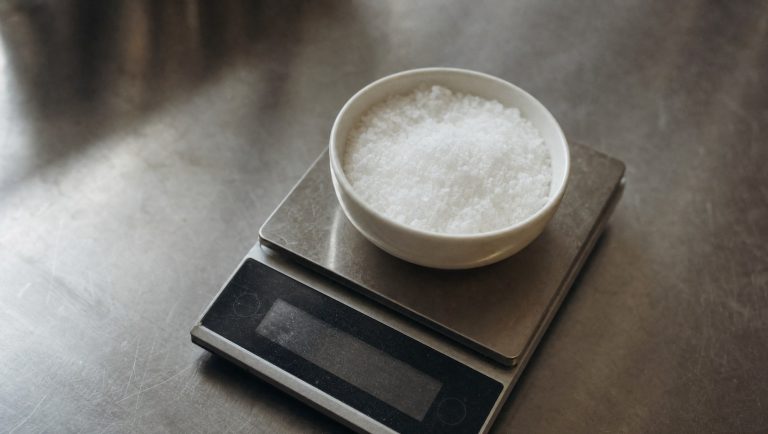
So the addition rules from last week are also absorption rules. Whole or coarsely cracked dried spice, 1 per cent of cabbage weight, goes into the bag with the cabbage and the 2 per cent salt of the Neutral Base Method.
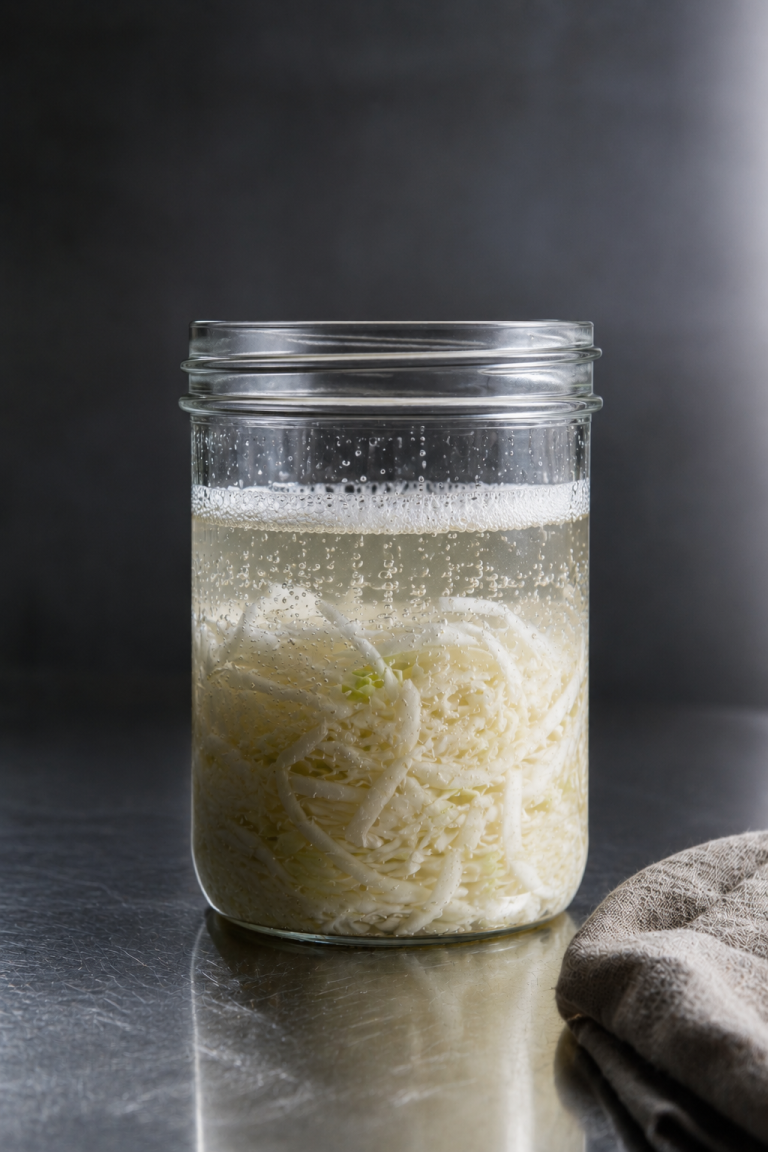
The chamber vac matters here for more than speed. The anaerobic, pressure-driven environment pushes lactic acid bacteria to dominance fast, which runs the enzyme work cleanly in days, not weeks.
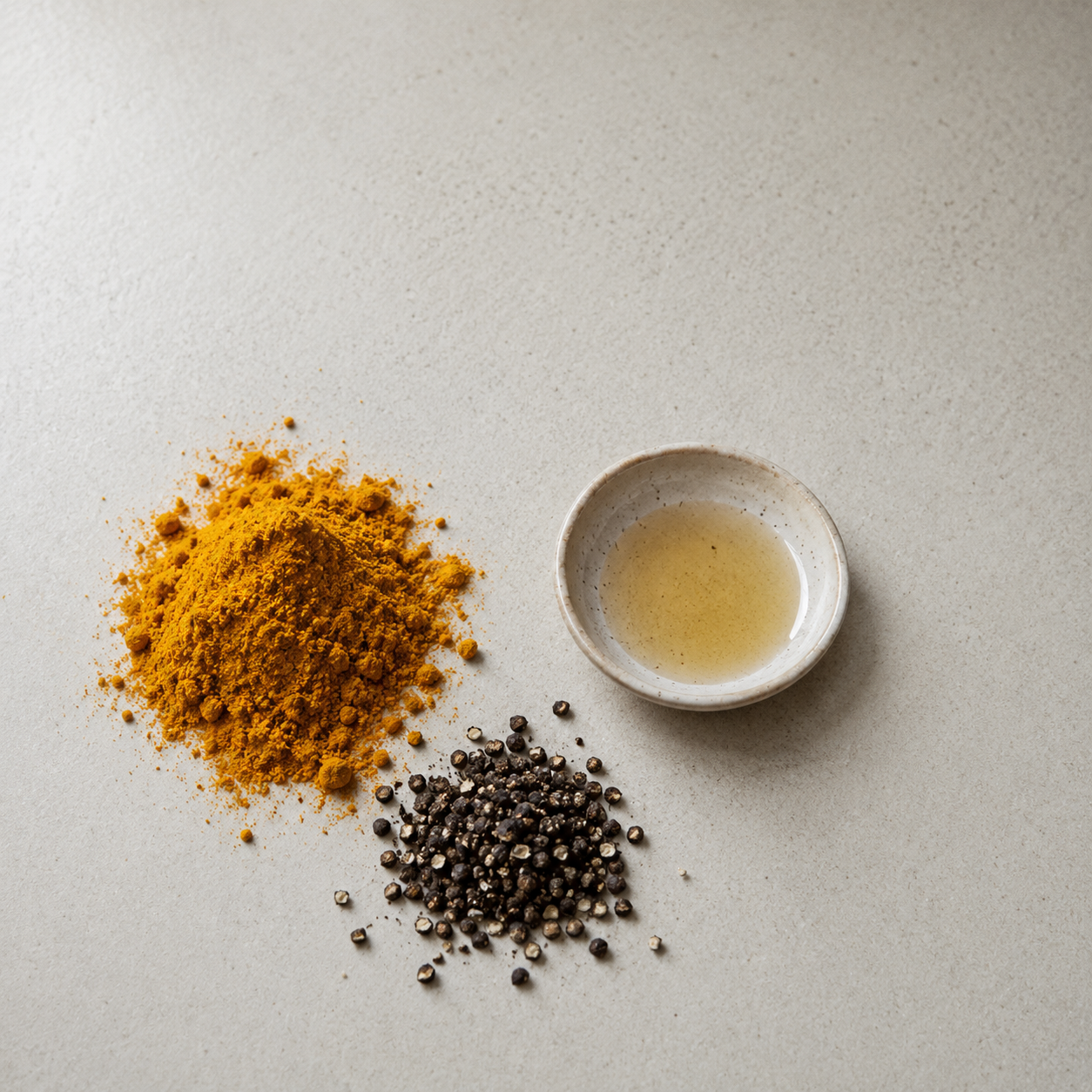
Turmeric is the worked example, because curcumin carries two absorption problems at once. It is poorly soluble in water, and the liver clears it fast, so blood levels fall quickly. Per kilogram of cabbage, add 5 grams of ground turmeric, a pinch of cracked black pepper, and 5 grams of oil, either MCT or a good olive oil.
The fat gives the poorly soluble curcumin something to dissolve into, and the piperine in the pepper slows how fast the liver clears it. Two problems, two levers. The fermentation does the broader work on the bound compounds in the cabbage itself, the way it does on soy isoflavones; turmeric rides along as the delivery example.
Time is a lever too, but not without limit. Conversion climbs through the early phase, then antioxidant activity in fermented cabbage tends to plateau and fall as the ferment ages.
The practical window for the compound work is five to seven days, not fourteen. Taste and track your own batches rather than chasing a longer ferment on the assumption that more always means more.
And you are not measuring out a dose. A couple of forkfuls of a kraut built this way, alongside a meal, does the job. It also survives a restaurant week, because it lives in the fridge ready to go while you are out eating someone else’s cooking.
What this connects to
Your gut already runs this conversion. The catch is how well, and that depends on which bacteria you happen to host.
The clearest case is equol, a compound that only some people’s gut microbes can make from soy, because most people simply lack the strain. Ferment first and the conversion is done outside you, so the result no longer rides on your personal microbial lottery.
That is the whole reason this arc opened where it did. The bag is a working preview of the gut, and what you taste is what the bacteria built from what you put in. What your body keeps is the same story.
If you have not set up the base yet, start with the Neutral Base Method, then come back to what to add and read it again with absorption in mind, not just flavour.
Come back next Monday for a new Field Note.
References
- Nagino, T., Kano, M., Masuoka, N., et al. (2016). Intake of a fermented soymilk beverage containing moderate levels of isoflavone aglycones enhances bioavailability of isoflavones in healthy premenopausal Japanese women: a double-blind, placebo-controlled, single-dose, crossover trial. Bioscience of Microbiota, Food and Health, 35(1), 9-17. https://doi.org/10.12938/bmfh.2015-011
- Langa, S., Peirotén, Á., Curiel, J. A., et al. (2023). Isoflavone metabolism by lactic acid bacteria and its application in the development of fermented soy food with beneficial effects on human health. Foods, 12(6), 1293. https://doi.org/10.3390/foods12061293
- Berkel Kaşıkçı, M., & Bağdatlıoğlu, N. (2022). Assessment of the bioaccessibility of phenolic compounds and antioxidant activity in raw and pickled white cabbage and gherkins. Italian Journal of Food Science, 34(4), 1-10. https://doi.org/10.15586/ijfs.v34i4.2267
Field Notes Weekly
One Field Note. Every Monday. Mechanism first, no wellness language.