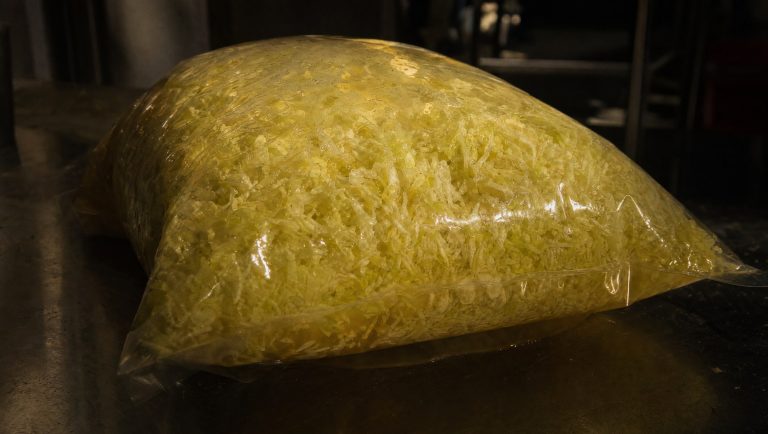
What to add to a chamber vac ferment, and why most home recipes get it wrong
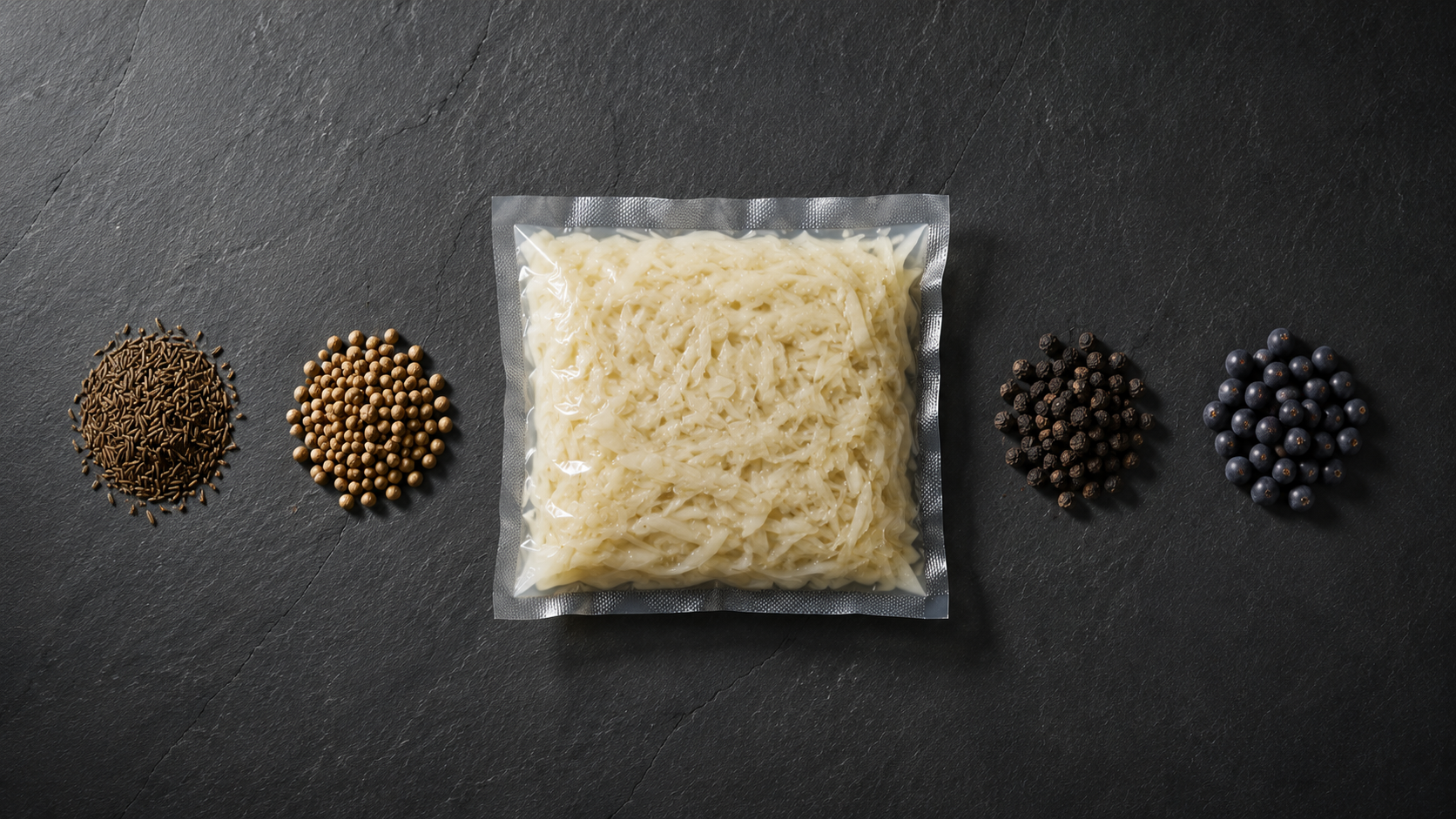
Most home ferment recipes assume you can take a crock-style spice blend, drop it in a chamber vacuum bag, and get the same result. You can’t. The bag changes which aromatics survive, which get wasted, and which the bacteria actually use to build flavour.
The flavour you taste at the end of a chamber vac ferment is not what you put in. It is what the lactic acid bacteria built from what you put in. That sentence is the entire piece. Everything below it is how to choose ingredients that the bacteria can actually work with.
This Field Note sits on top of the Neutral Base Method. Salt at 2%, shredded cabbage, chamber seal, bench rest, days not weeks. That is the engineering. This is what you put in the bag before you seal it.
What the bag actually does to flavour
A 2022 review in Applied Sciences by Wieczorek and Drabińska mapped what happens to Brassica aromatics under lactic acid fermentation. The most striking finding for a home cook: the signature aroma of sauerkraut and kimchi is not built by the cabbage. It is built by the bacteria. Glucosinolates in raw cabbage are mostly bitter and sulphurous. Under LAB activity in an anaerobic bag, those glucosinolates are enzymatically broken down into isothiocyanates and sulfur compounds, which are the molecules your nose actually reads as “kraut.”
Heterofermentative bacteria (Leuconostoc mesenteroides in the early phase, the species that puffs the bag) add acetic acid, ethanol, and a class of aroma precursors that feed downstream chemistry. The homofermentative bacteria that take over later (Lactobacillus plantarum) deepen the lactic-acid edge and round the finish. Both phases happen inside the same sealed bag, in sequence, and both convert whatever else you put in there.
What that means in practice: aromatics whose character is built by oxygen exposure flatten in the bag. Raw garlic top notes, the volatile green-leaf character of fresh herbs, the bright high register of citrus zest. The bag is anaerobic by design. Those compounds either dissipate at the seal cycle or get muted by the acid build-up. Aromatics whose character is built by acid extraction and slow time bloom. Whole dried spice with terpene-rich oils, lightly cracked peppercorns, juniper berry, caraway, coriander seed, dried chilli. The chamber bag is, in flavour terms, a slow acid extractor that runs in days.
The rule for what to add
Three filters cover almost every decision. Whole dried spice over fresh aromatic. Acid-stable flavour over volatile top note. Total addition under 2% of cabbage weight, never above.
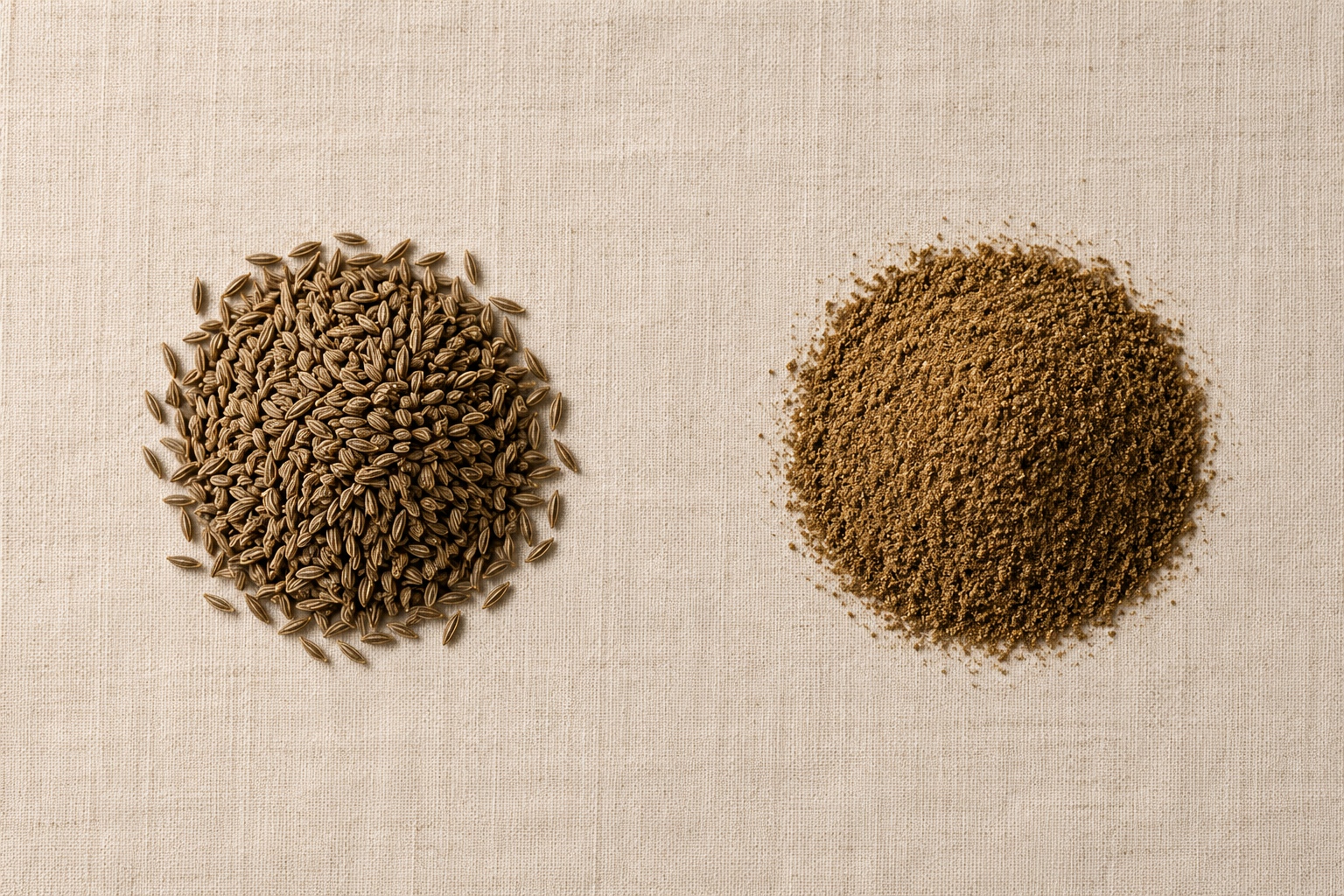
Whole spice over ground is the chef call, not just the science call. Ground spice releases everything at once into the brine and either over-flavours the first mouthful or gets filtered out at strain. Whole spice slow-releases over the fermentation window and tracks the acid curve cleanly. The same fennel seed that tastes raw and licorice-sharp on day one will taste rounded, savoury, and integrated by day seven.
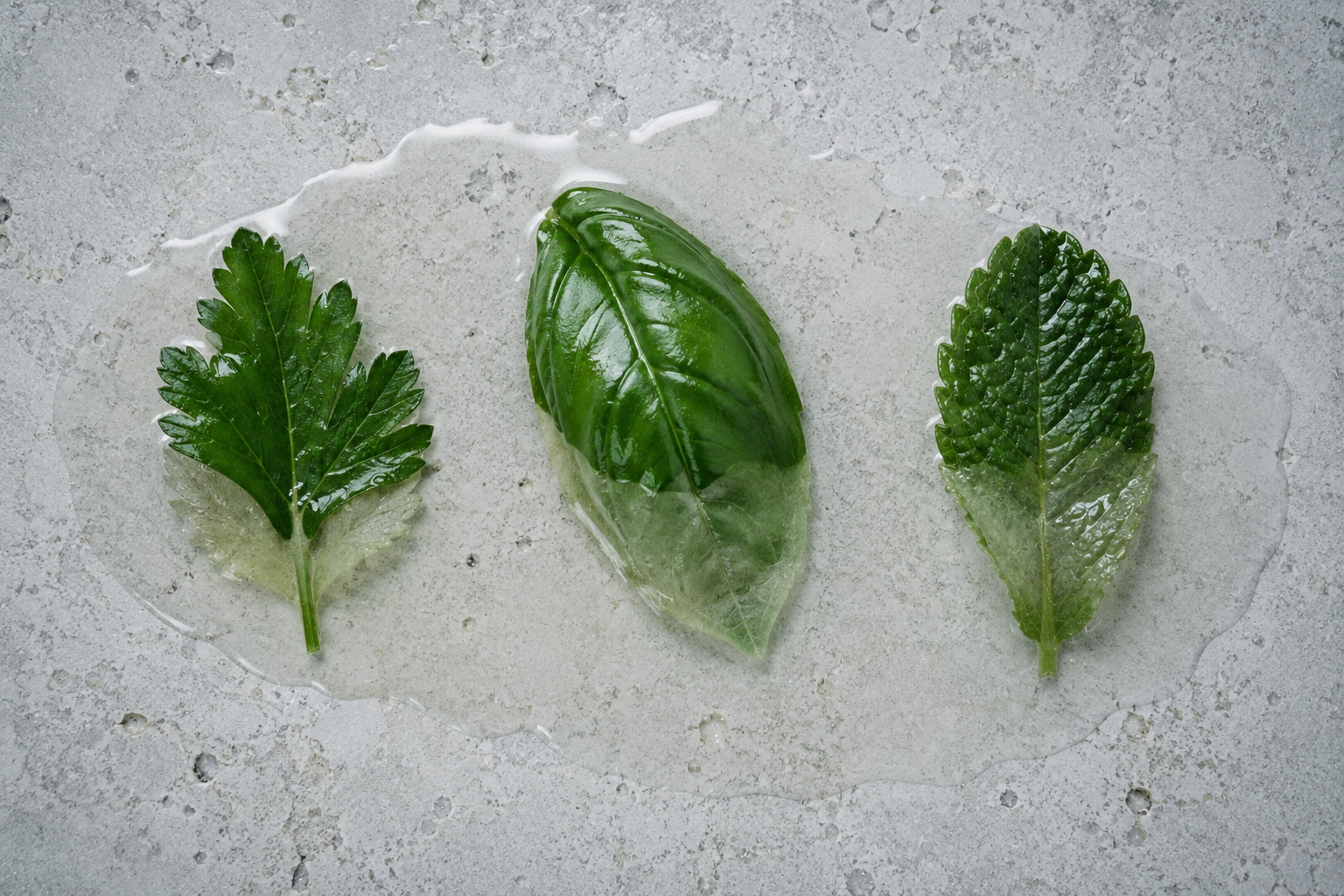
Acid-stable over volatile top note rules out fresh herbs almost entirely. Parsley, coriander leaf, dill leaf, basil, mint, all go grey and lose character in the bag. If you want those notes, they go on top of the finished ferment at the plate, not into it. Dried versions of the same plant behave differently because the volatile fraction has already cooked off in drying, and the remaining compounds are the acid-stable ones.
Two per cent is the same number that locks salt, and for a related reason. Above 2% spice weight by cabbage weight, the LAB population slows. The bag starts behaving like a marinade rather than a ferment, and the timing curve from the Time Field Note stops applying. Keep the total addition at 1% as the chef-trained baseline. 2% is the ceiling, not the target.
A worked example, one kilogram of cabbage
The simplest place to start is a Bavarian-direction spice profile. Familiar, forgiving, every ingredient is shelf-stable, and the result pairs with almost anything from a roast to a poached egg.
Base. 1 kilogram shredded green cabbage, 20 grams non-iodised salt (the 2% Neutral Base ratio, covered in the Salt Field Note).
Additions, 10 grams total, 1% by cabbage weight. 5 grams whole caraway seed, 3 grams whole coriander seed, 2 grams whole black peppercorns, all lightly cracked under a rolling pin or the flat of a knife. Cracked, not ground. You want the seed coat broken so the bacteria and the brine can access the inside, not pulverised to dust.
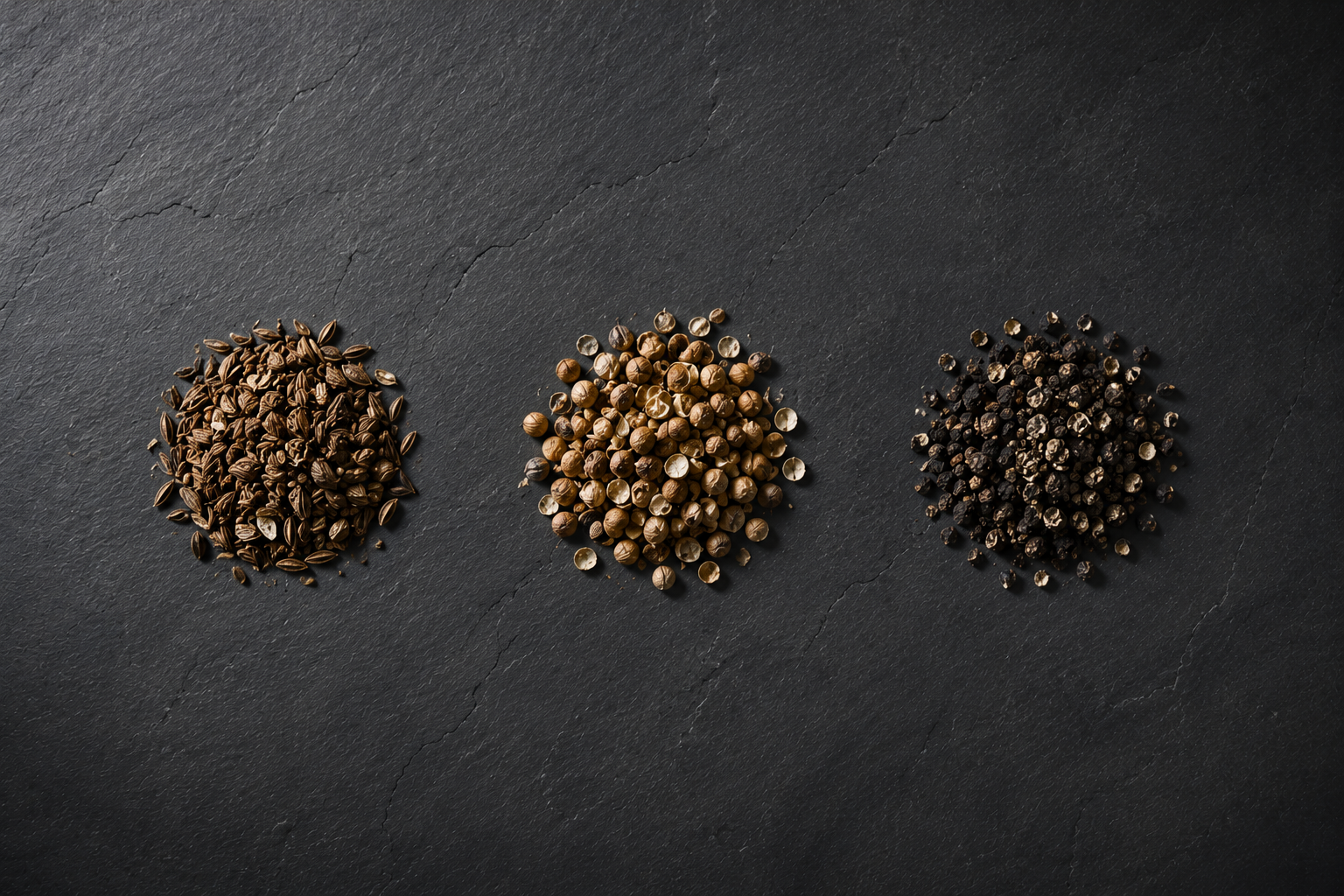
Optional fat carrier, 5 grams. A neutral cooking oil, olive oil or MCT oil. The fat carries the terpene fraction of the peppercorn and the resin notes of any aromatic seed that has them, and it rounds the finish on ferments that run beyond seven days. For a three-day or five-day pull, skip the fat entirely. The spice profile holds without it.
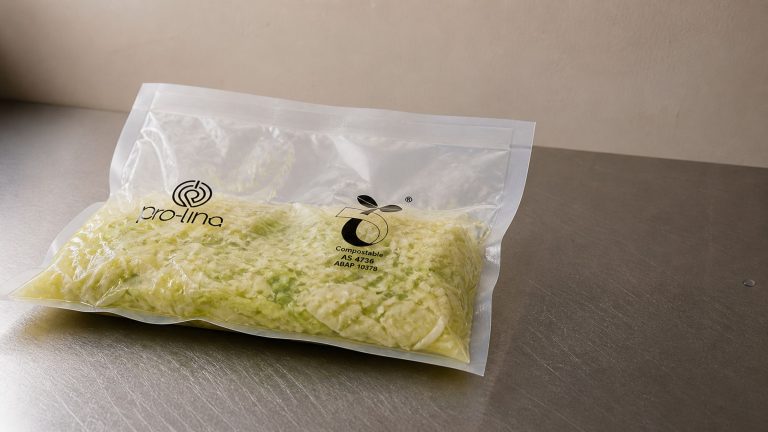
Process, in order. Follow the Neutral Base Method through Step 5 (cabbage shredded, weighed, salted, massaged until brine releases). Before you bag, add the cracked spice and the optional fat directly to the cabbage in the bowl. Work it through with your hands for one minute. The spice should distribute evenly through the cabbage, not pool at the bottom of the bowl. Continue to Step 6 of the Method (bag load) and onward. Nothing else changes.
When to pull. Three days for a light, sharp, fresh-tasting ferment where the spice sits on top. Five to six days for the baseline kraut where the spice has integrated into the body. Seven to ten days for the deep version where the caraway and coriander have rounded into a single savoury voice and the peppercorn heat has softened into background warmth. Taste at each stage if you are running your first batch, so you can build the sensory map for the next one.
Variants on the same chassis
The 1% total addition rule travels. Two other directions worth knowing.
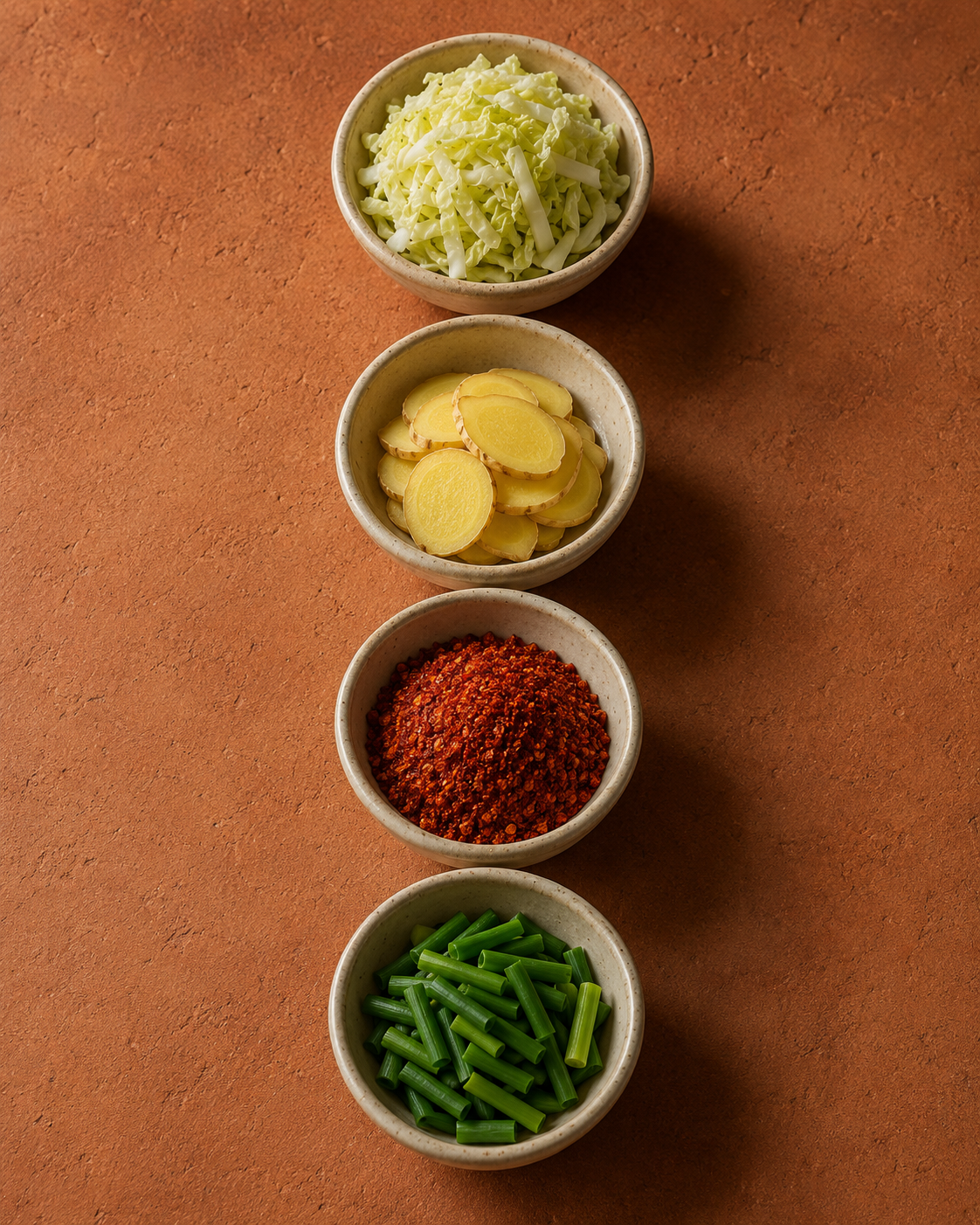
Korean direction. Replace the Bavarian spice set with 3 grams Korean gochugaru (the coarse chilli flake, not the powder), 2 grams ginger juice expressed from 5 grams fresh ginger pressed through a garlic press, and 1 gram whole dried shrimp ground coarsely if you want the traditional umami floor. Total still around 1% by cabbage weight. Pull at five to seven days for a clean kimchi-direction profile. No fish sauce in the bag, the salt is already covered by the 2% base.
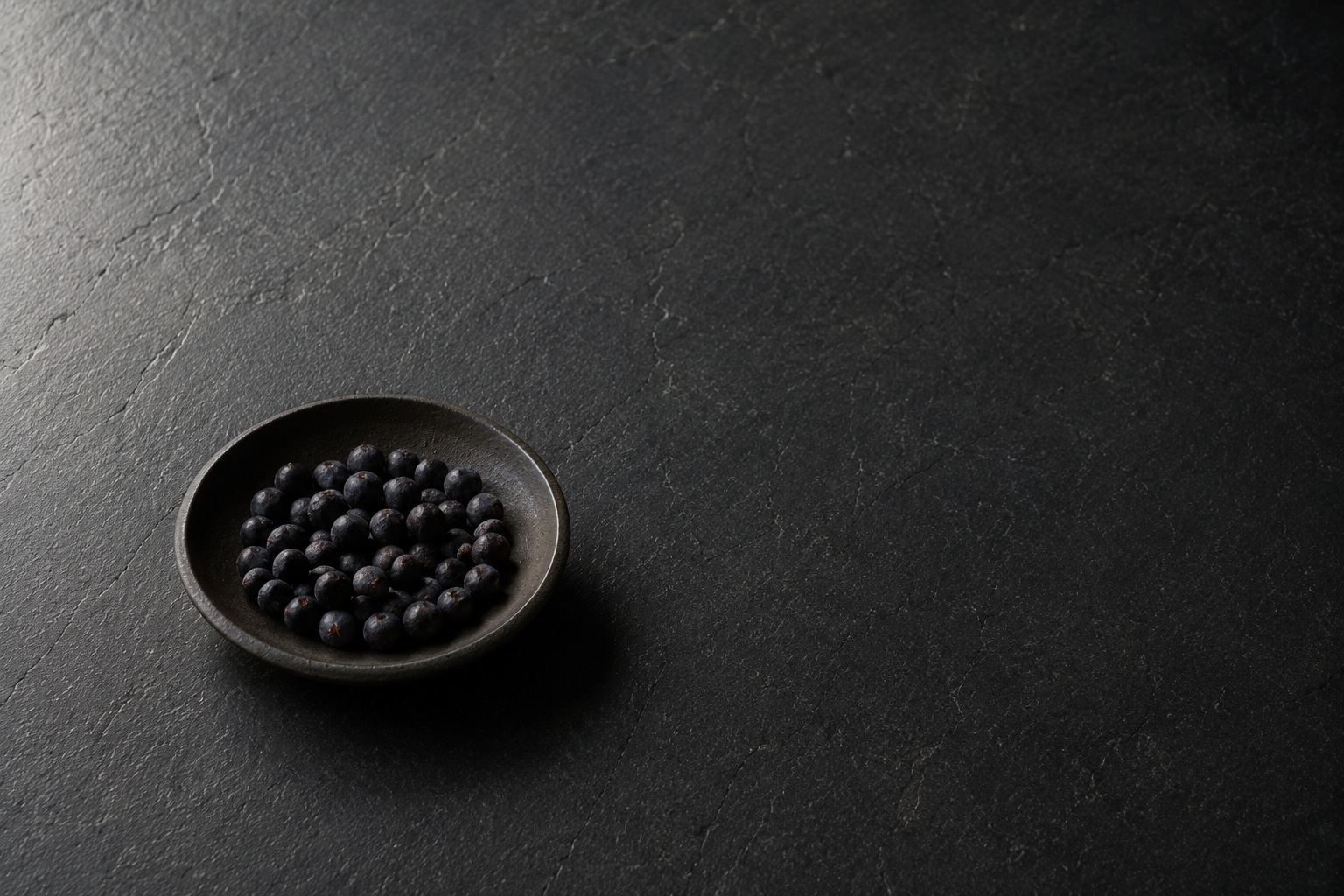
French direction. 3 grams juniper berries crushed under the flat of a knife, 2 grams whole black peppercorns lightly cracked, 1 bay leaf torn in half. Adds up to about 6 grams total, well under 1%. This is the profile for a kraut that finishes meat braises, charcuterie boards, and anything with pork fat involved. Run it the full seven to ten days. The juniper resin needs the time to integrate.
What not to add
The four mistakes that show up in almost every failed batch.
Sugar in any form. Honey, brown sugar, maple, even fruit juice as a sweetener. Sugar feeds the wrong bacteria and yeasts before the LAB get established. The bag goes alcoholic, then acetic, and the texture goes mushy. The cabbage already contains enough natural sugar to fuel a clean fermentation. Adding more sabotages it.
Raw garlic and raw onion. The allicin chemistry that gives raw garlic its sharp top note needs oxygen. In an anaerobic bag, raw garlic flattens to a muddy, slightly metallic vegetal note, and raw onion turns grey and slimy. If you want garlic flavour, roast the whole bulb wrapped in foil at 160 degrees Celsius for 45 minutes, then squeeze the soft cloves into the bowl with the spice at 3 grams per kilogram cabbage. Roasted garlic is acid-stable and adds depth without taking the bag muddy.
Fresh herbs. Covered above. Parsley, coriander leaf, dill leaf, basil, mint, chervil. All belong on top of the finished ferment, not in it.
Over-spicing. Above 2% spice weight by cabbage weight, the LAB slow down. The bag still ferments, but the timing window stretches unpredictably and the finished ferment tastes like a marinade rather than a kraut. Keep the total at 1%. Resist the urge to layer five or six spices because you can. One bag, one direction.
Why this is the first piece of the new arc
The chamber vac series ran from salt to bag to time to system. Engineering. This Field Note opens the next arc, which is not about the bag any more. It is about what is happening biologically inside any sealed environment where bacteria and substrate meet. Your gut works the same way the bag does. What you taste at the end of a ferment is what the bacteria built from what you put in. What shows up in your body after a meal is what the resident gut community built from what you fed it. The chamber bag, used regularly, is the training ground for that pattern. Run a few batches, pull them at different days, taste the difference, and the principle becomes physical rather than abstract. The bacteria are not preserving your cabbage. They are building it into something else.
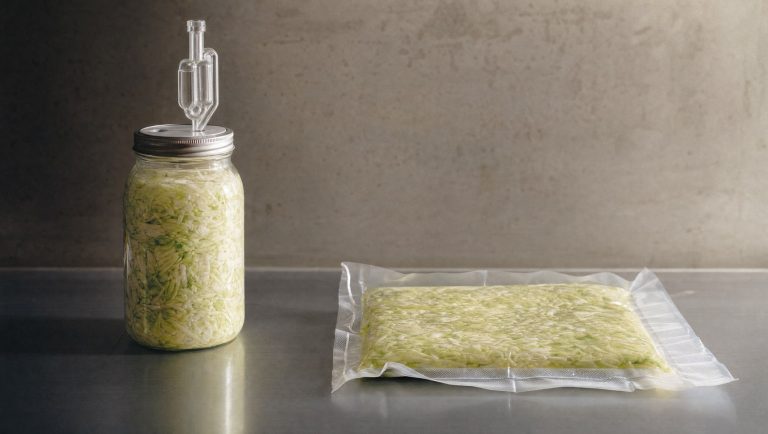
If this is your first chamber vac ferment, start with the Neutral Base Method and run it neutral for the first batch. No spice, no additions, just cabbage and salt. Get the engineering right. Then come back to this Field Note and add the Bavarian set on batch two. The difference between the two batches, side by side on day five, is the entire argument.
Come back next Monday for a new Field Note.
References
– Wieczorek, M. N., & Drabińska, N. (2022). Flavour generation during lactic acid fermentation of Brassica vegetables: a literature review. Applied Sciences, 12(11), 5598. https://doi.org/10.3390/app12115598 – Plengvidhya, V., Breidt, F., Lu, Z., & Fleming, H. P. (2007). DNA fingerprinting of lactic acid bacteria in sauerkraut fermentations. Applied and Environmental Microbiology, 73(23), 7697-7702. https://doi.org/10.1128/AEM.01342-07
Field Notes Weekly
One Field Note. Every Monday. Mechanism first, no wellness language.