Your gut is why your body is stiff: the fermentation-fascia connection
Your gut and your connective tissue are in direct conversation. The same inflammatory signals that originate from a disrupted microbiome circulate systemically and lodge in your fascia. This is the upstream mechanism most body recovery protocols completely ignore.
The stiff body problem nobody is diagnosing correctly
You train consistently. You stretch. You sleep reasonably well. And yet you still wake up stiff, move like your joints need ten minutes to remember what they are for, and carry a low-grade heaviness through your body that doesn’t quite resolve.
The standard explanation is mechanical: tight hip flexors, poor thoracic mobility, dehydrated fascia. Address those tissues directly and the stiffness should ease. That framework is partially right, and the movement protocols built around it are genuinely useful.
But there is a second driver operating further upstream, and it explains why purely mechanical approaches produce incomplete results. Chronic low-grade systemic inflammation actively degrades connective tissue quality, compresses lymphatic vessels, and contributes directly to the stiff, heavy feeling many people carry as a baseline.
That inflammation has to originate somewhere. In most cases, a significant part of it originates in the gut.
What happens when your gut barrier is compromised
The intestinal barrier is not a passive wall. It is a dynamic interface regulated by the composition of your gut microbiome, the integrity of tight junction proteins between epithelial cells, and a continuous dialogue between the microbiome and the enteric nervous system. When this system functions well, the gut selectively allows nutrients through while keeping pathogens and endotoxins contained.
When it does not function well, a different process unfolds. Bacterial endotoxins, principally lipopolysaccharide (LPS), breach the epithelial layer and enter circulation. The immune system responds, triggering a systemic inflammatory cascade. This is the mechanism behind what is broadly referred to as leaky gut, and the downstream consequences extend well beyond the digestive system.
Research by Di Vincenzo et al. (2024) documents this mechanism clearly: disruption of the intestinal barrier appears highly connected with the development of several metabolic and autoimmune systemic diseases, with circulating endotoxins driving inflammation across multiple organ systems. The gut is not just a digestive organ. It is a major regulator of whole-body inflammatory status.
Short-chain fatty acids: fermentation’s systemic output
A well-populated gut microbiome does not merely maintain the barrier. It actively produces metabolites that regulate inflammation throughout the body. The most studied of these are short-chain fatty acids (SCFAs): butyrate, acetate, and propionate, produced primarily through bacterial fermentation of dietary carbohydrates.
SCFAs do not stay in the gut. They travel via circulation to the liver, lungs, and central nervous system, where they provide energy, influence immune cell behaviour, and suppress inflammatory signalling. Research published in Frontiers in Microbiology (Maciel-Fiuza et al., 2023) documents that SCFAs derived through fermentation of dietary carbohydrates have demonstrated capacity to reduce systemic inflammation.
The mechanism is significant because it means the fermentation happening in your colon right now, driven by the bacteria you have been feeding over weeks and months, is directly modulating your whole-body inflammatory environment, including the inflammation that accumulates in fascial tissue.
The Stanford trial: fermented food and inflammatory proteins
In 2021, researchers at Stanford published a landmark randomised controlled trial in Cell comparing two dietary interventions in healthy adults: a high-fibre diet and a high-fermented-food diet, each sustained for ten weeks. The fermented-food group consumed kimchi, sauerkraut, kefir, fermented cottage cheese, kombucha, and vegetable brine drinks, reaching an average of 6.3 servings per day.
The results were striking. The fermented-food group showed a cohort-wide increase in microbial diversity alongside a decrease in 19 inflammatory proteins measured in blood, including key cytokines. Four types of immune cells showed reduced activation. The fibre group, despite significant increases in fibre intake, showed no comparable reduction in inflammatory markers.
The lead researcher noted this was one of the first examples of a simple dietary change reproducibly remodelling the microbiota across a whole cohort of healthy adults, with measurable immune consequences. Wastyk et al. (2021) in Cell, DOI: 10.1016/j.cell.2021.06.019.
Why this connects to body stiffness and lymphatic health
Fascia is approximately 70 percent water. When fascial tissue becomes chronically inflamed, collagen fibres cross-link and mat together, reducing the tissue’s capacity for fluid movement and mechanical glide. The lymphatic vessels embedded within the superficial fascia become compressed, slowing the clearance of metabolic waste and creating a compounding cycle: stiff fascia restricts lymph flow, and stagnant lymph further inflames the surrounding tissue.
Systemic inflammation, particularly the low-grade chronic kind driven by gut dysbiosis, feeds directly into this cycle. Circulating cytokines and LPS contribute to fascial inflammation independently of anything mechanical. This means that two people with identical movement habits, sleep quality, and hydration can have very different baseline tissue stiffness based on the inflammatory load their gut is producing.
The two-part protocol: inside and outside simultaneously
This is the framework that makes practical sense given the evidence. A purely mechanical approach to body stiffness addresses the tissue directly but leaves the inflammatory driver intact. A purely dietary approach to gut health addresses the upstream cause but leaves the accumulated mechanical restriction in place.
Working both simultaneously is the more complete protocol.
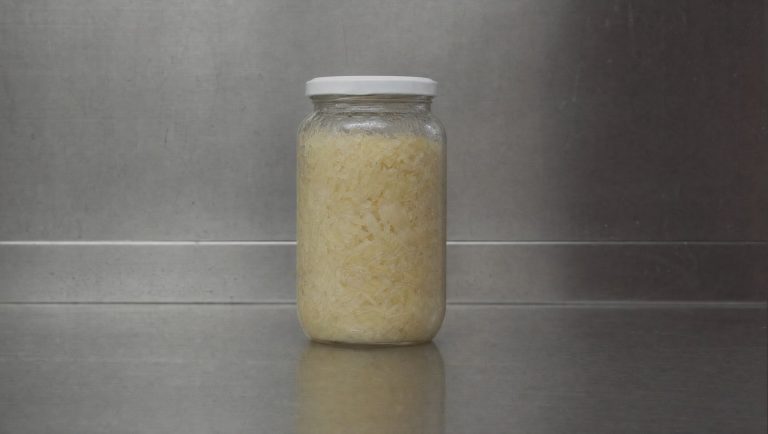
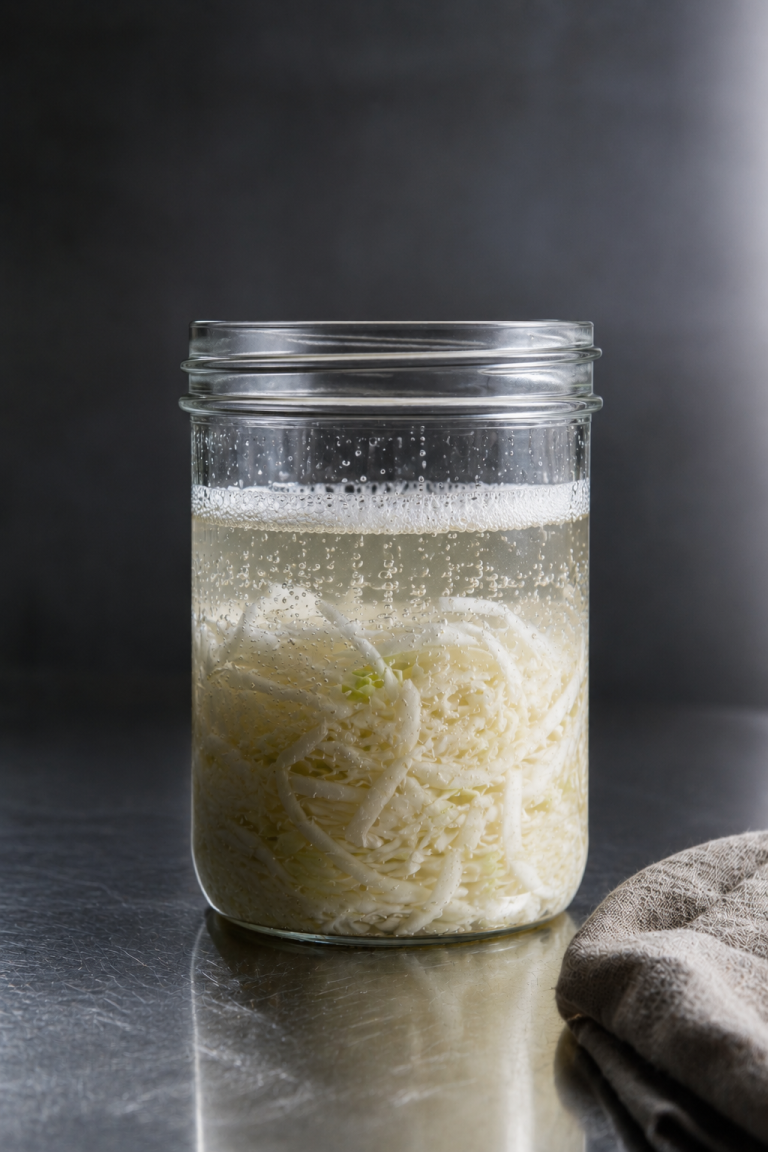
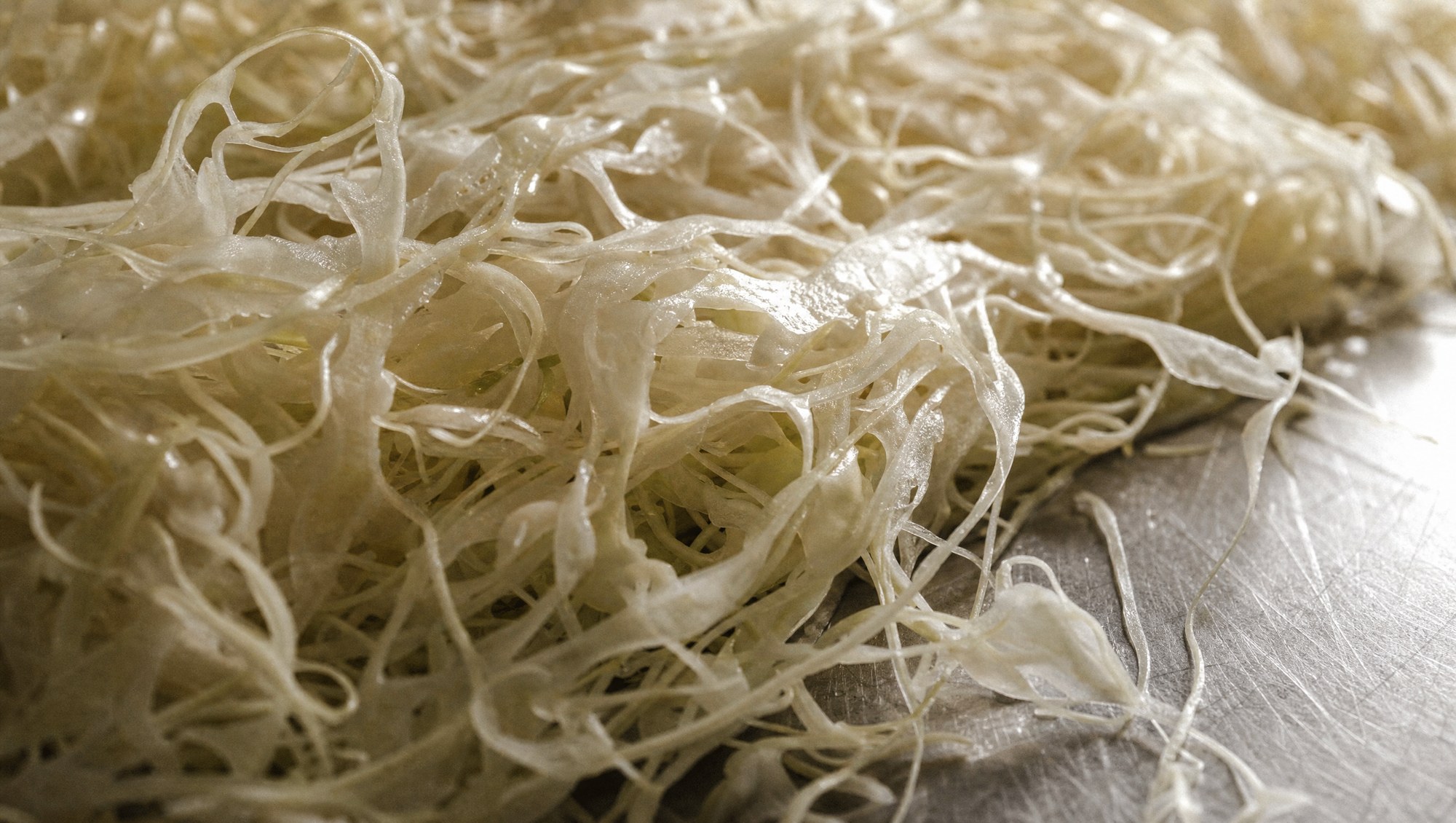
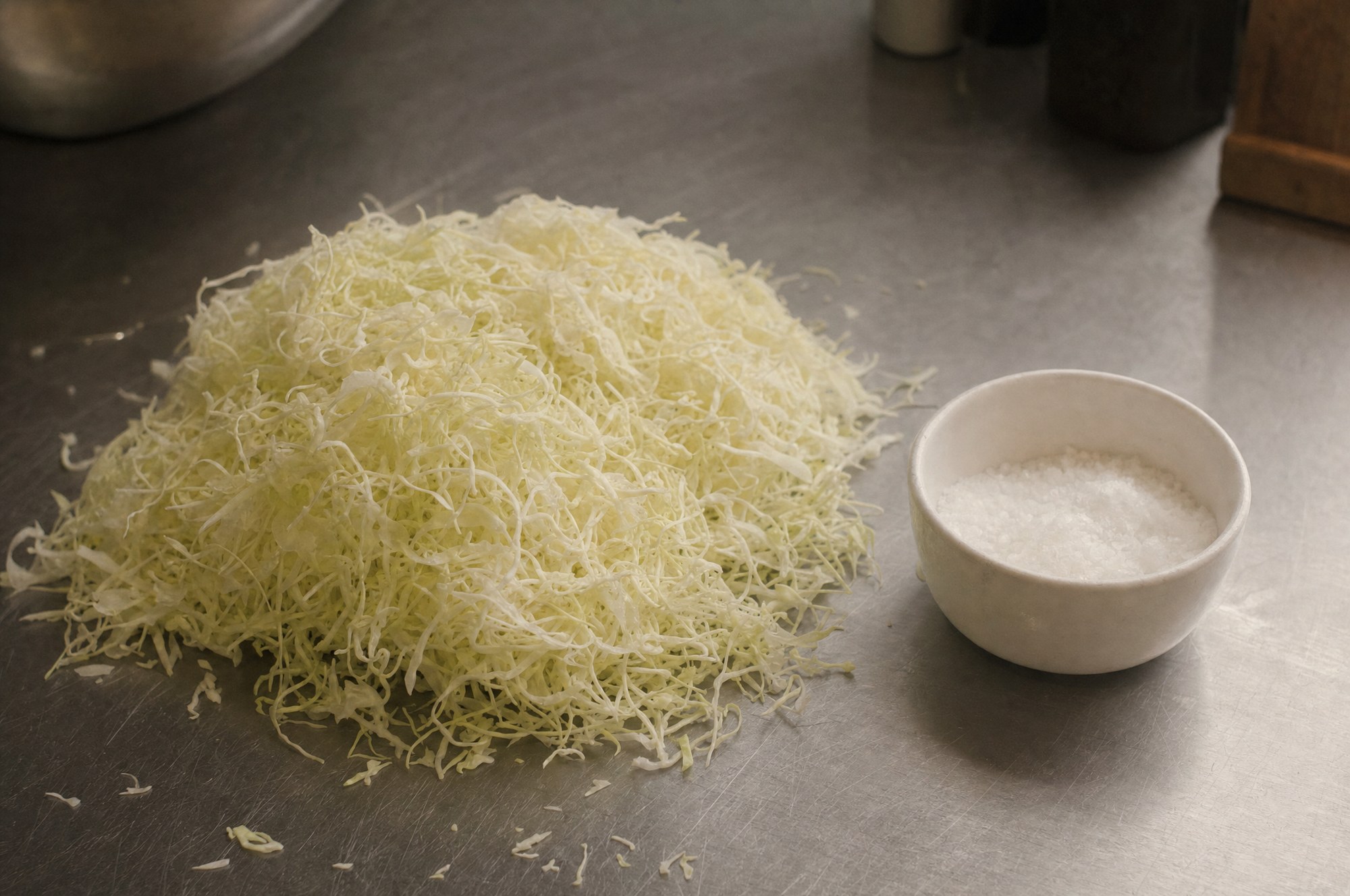
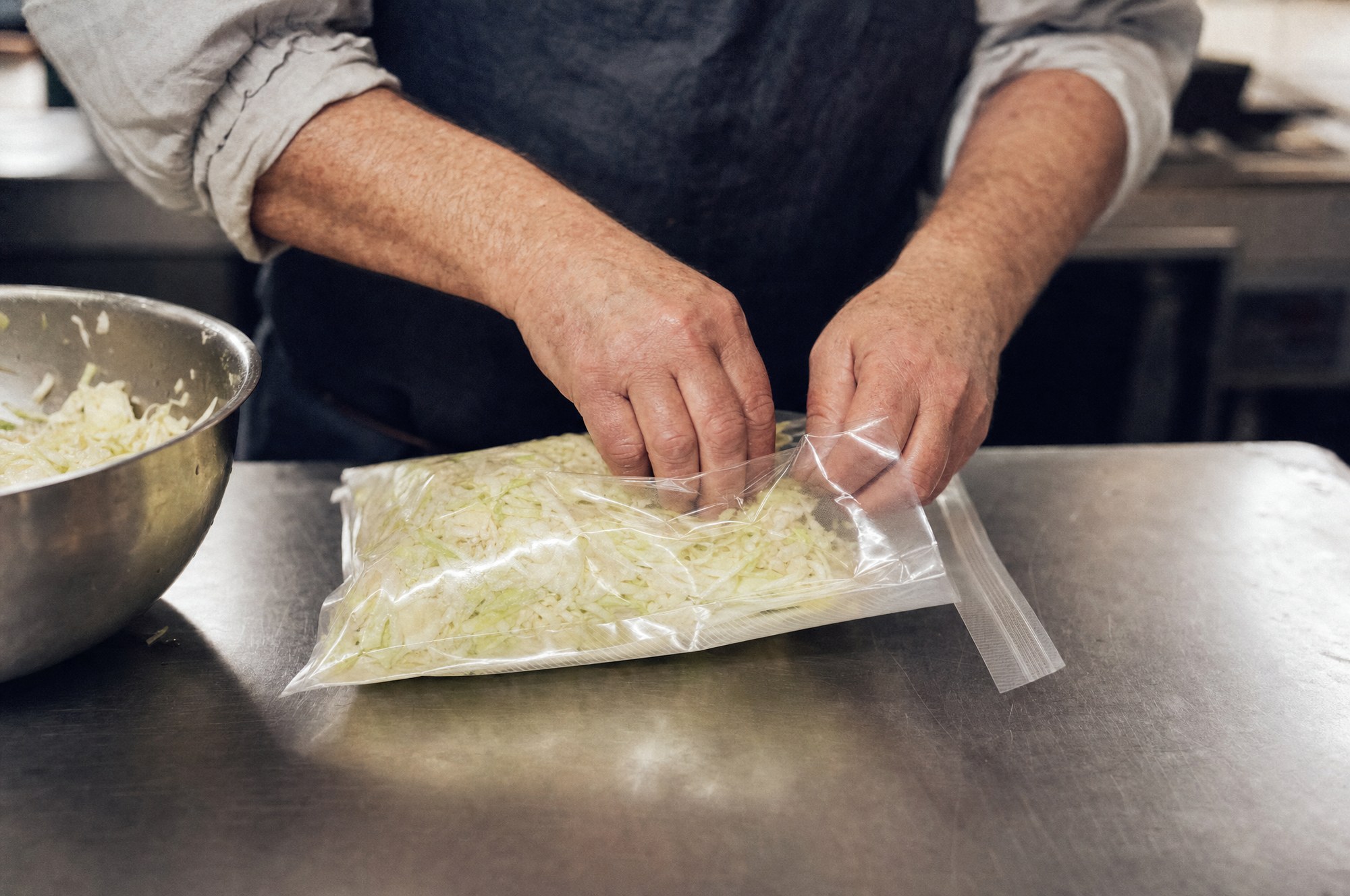
From the inside: regular consumption of fermented vegetables, specifically live-culture sauerkraut and kimchi, provides the microbial input that research consistently associates with increased gut diversity and decreased systemic inflammatory markers. The chamber vacuum method produces a finished ferment in days rather than weeks, which means consistency is achievable rather than aspirational.
From the outside: a structured movement and manual therapy protocol directly addresses fascial hydration, lymphatic flow, and tissue glide. Diaphragmatic breathing activates the thoracic duct as a lymphatic pump. Foam rolling mechanically rehydrates compressed tissue. Yin yoga holds create the sustained tension required for fascial remodelling at depth.
The 7-day reset protocol
Below is an interactive 7-day protocol built around the movement and manual techniques that support lymphatic function and fascial rehydration. Work through it alongside a consistent fermented vegetable practice. Track your tasks daily, complete the progression, and pay attention to morning stiffness and movement quality across the week.
Lymph Reset &
Fascia Rehydration
Tap any task to expand the technique guide, step-by-step instructions, and curated resources.
🫁 The Diaphragm as Lymph Pump
Your diaphragm creates pressure changes that actively drive lymph through the thoracic duct. Deep breathing is the single most impactful free tool you have.
🕸 Fascia is 70% Water
Dehydrated fascia causes collagen fibres to cross-link and mat together, creating stiffness. Movement combined with hydration restores the gel-like state enabling fluid glide.
🔄 The Fascia–Lymph Loop
Tight fascia compresses the lymph vessels running through it. Stagnant lymph then inflames the fascia further. This protocol breaks both sides simultaneously.
🦵 The Calf as Second Heart
Calf muscles act as a secondary pump returning lymph upward against gravity. Heel drops, walking, and rebounding all activate this critical mechanism.
On fermentation technique
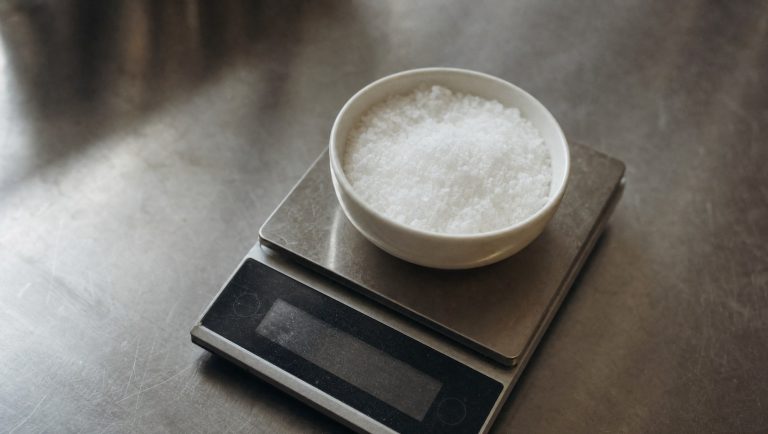
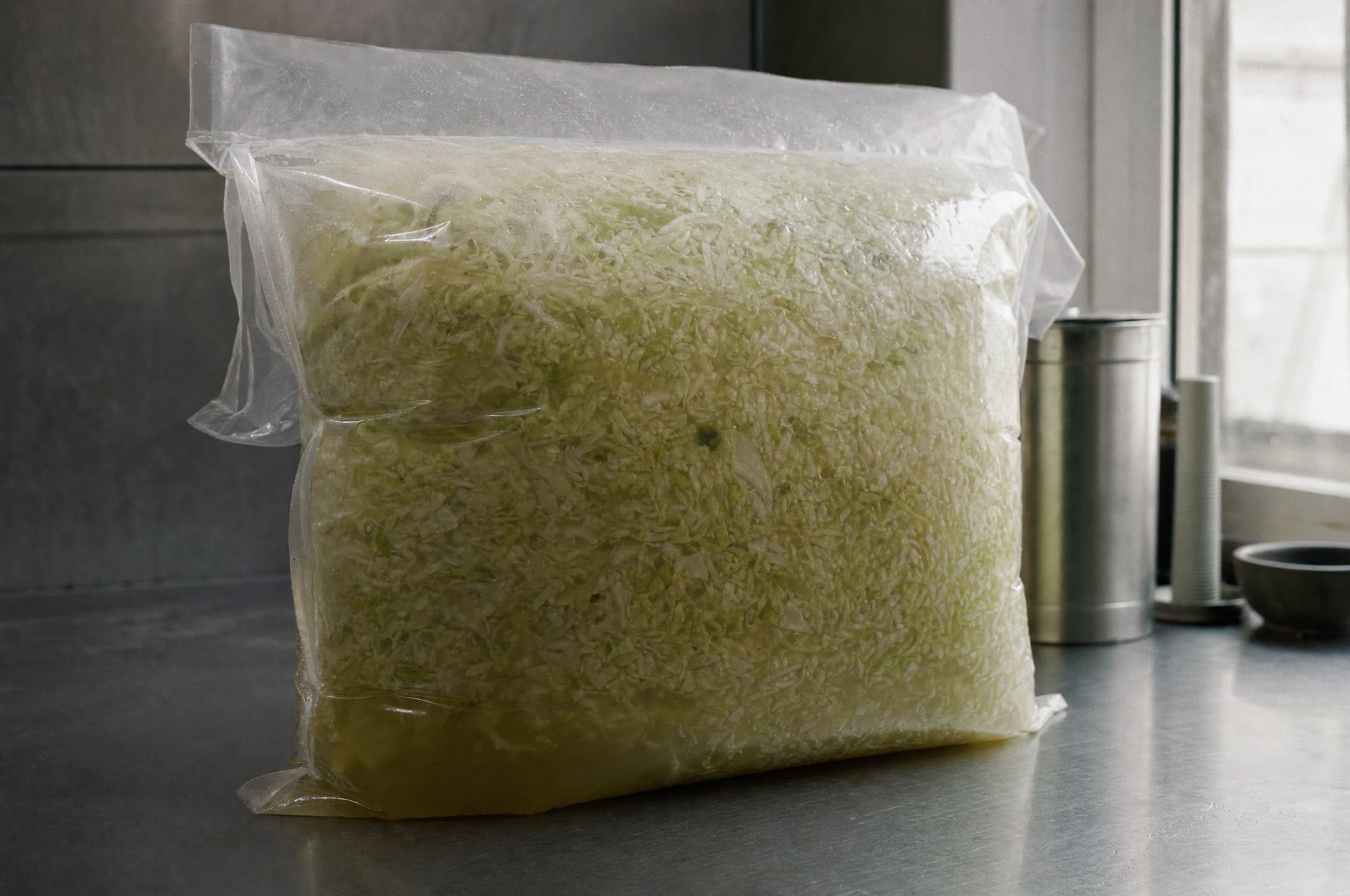
The practical barrier to consistent fermented vegetable consumption is not knowledge, it is time. Traditional sauerkraut requires weeks of ambient temperature fermentation, daily monitoring, and space for bulky crocks. Chamber vacuum fermentation removes most of that friction. The same biochemical process occurs at an accelerated rate under controlled pressure. A reliable ferment is achievable in days. It fits in a bag in the fridge. Batch production takes twenty minutes of active time.
If you want to go deeper on the technique, the free chamber vacuum fermentation guide is available now.
What to track
If you run this protocol alongside consistent fermented vegetable consumption, pay attention to the following over three to four weeks. Morning stiffness duration on waking. The quality of movement in the first thirty minutes of the day. Recovery speed after training. General tissue heaviness. These are imprecise measures, but they are the right measures, because they reflect what you are actually trying to change.
The research supports the mechanism. The mechanism is worth testing on your own body.
▶ References
- Wastyk HC, Fragiadakis GK, Perelman D, et al. Gut-microbiota-targeted diets modulate human immune status. Cell. 2021;184(16):4137-4153. DOI: 10.1016/j.cell.2021.06.019
- Di Vincenzo F, Del Gaudio A, Petito V, et al. Gut microbiota, intestinal permeability, and systemic inflammation: a narrative review. Internal and Emergency Medicine. 2024;19(2):275-293. DOI: 10.1007/s11739-023-03374-w
- Maciel-Fiuza MF, Müller GC, Campos DMS, et al. Role of gut microbiota in infectious and inflammatory diseases. Frontiers in Microbiology. 2023;14. DOI: 10.3389/fmicb.2023.1098386
- Valentino V, Magliulo R, Farsi D, et al. Fermented foods, their microbiome and its potential in boosting human health. Microbial Biotechnology. 2024;17(2):e14428. DOI: 10.1111/1751-7915.14428
Field Notes Weekly
One Field Note. Every Monday. Mechanism first, no wellness language.