Why Spices Belong in Your Ferments (And Why They Always Have)
Every serious kitchen has a ferment going. And almost every fermented food tradition in the world, without exception, involves spices.
Not coincidentally.
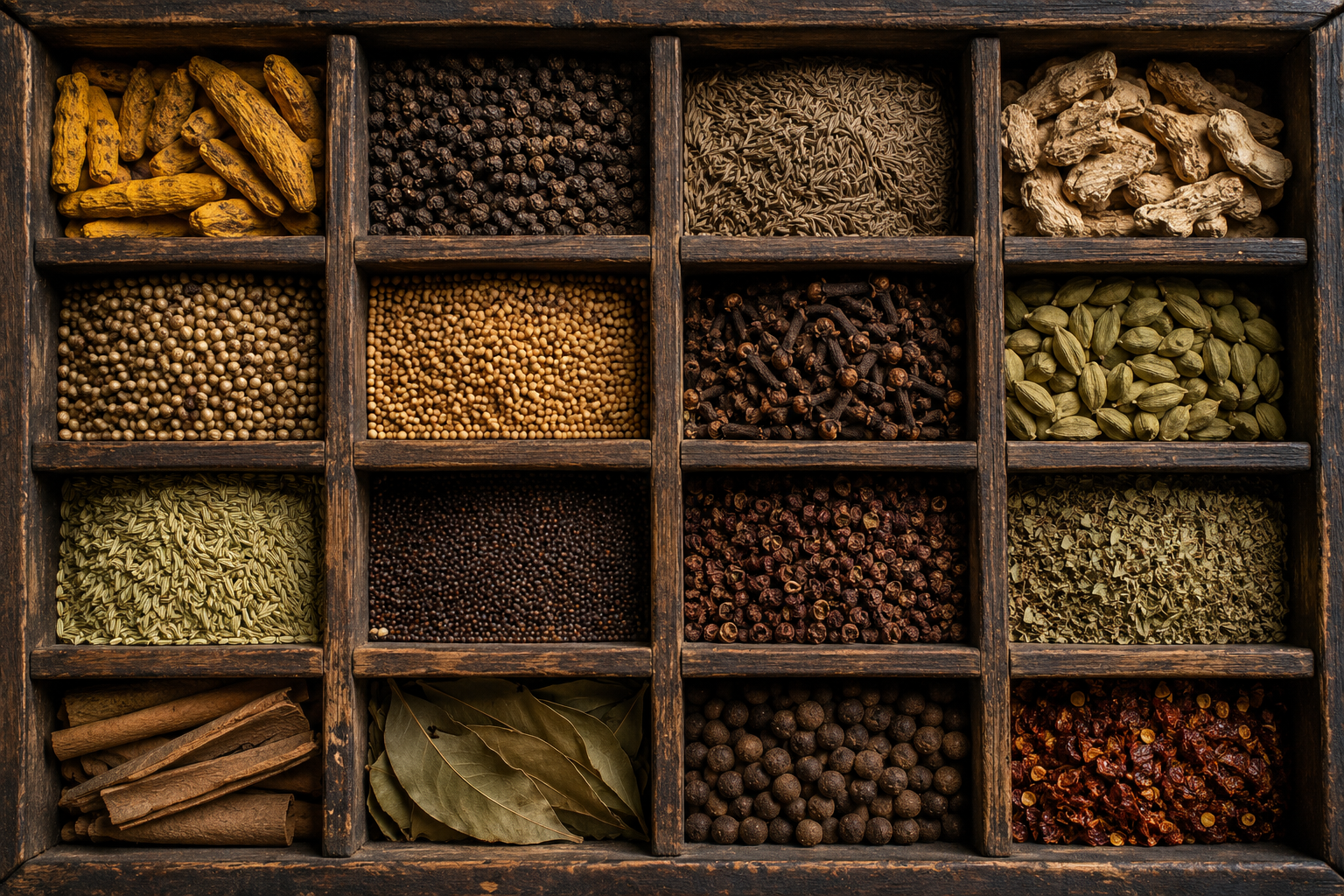
Korean kimchi gets its heat from chilli. Indian achaar is built on mustard seed, fenugreek, and coriander. European sauerkraut traditions across Germany, Poland, and the Baltic states routinely include caraway. Ayurvedic ferments have used turmeric and ginger for centuries. The Romans spiced their garum. The Japanese pickle everything from ginger to shiso.
This isn’t culinary coincidence. It’s accumulated empirical knowledge: thousands of years of observation, without a lab, without peer review, without funding from the NIH. The results were consistent enough that the practice persisted across unconnected cultures on opposite sides of the planet.
That consistency is worth examining.
The historical record
The earliest records of fermentation date as far back as 6,000 BC in the Fertile Crescent, and nearly every civilisation since has included at least one fermented food in its culinary heritage. What the historical record also shows is that the pairing of fermented foods with spices was nearly universal and largely functional, not merely decorative.
Spices were key in preserving food, not just for flavour. They have antimicrobial properties that stop food from spoiling, and the spice trade spread new flavours and techniques, often used in combination with salting or pickling.
Consider what pre-refrigeration food preservation actually required: reliable inhibition of pathogens, extended shelf life, and palatability sufficient to actually eat the thing. Salt handled the first two. Spices handled the third, but they were also quietly doing more biochemical work than anyone understood at the time.
The popularity of radish and cabbage kimchi only came about in the 16th century, alongside the use of chilli peppers, which were not part of Old World diets before the Columbian exchange. The moment chilli arrived in Korea, it was incorporated into an ancient fermentation practice. The flavour was new. The instinct to combine spice with ferment was already established.
That pattern repeats across cultures. According to food historian KT Achaya, pickles have been considered a delicacy in India since at least 1170 AD, and Indian achaar’s core spice blend of fenugreek, coriander seed, and mustard has remained essentially unchanged for centuries. In Japan, tsukemono (traditional pickled vegetables) is commonly prepared in a brine mixture of sake, vinegar, miso, or simply salt, with hundreds of variations providing vitamins, fibre, and probiotic cultures that promote digestive health.
The craft preceded the science by millennia. What’s interesting is what the science says now.
What spices actually do in a ferment
They create a selective environment for beneficial bacteria
This is the central mechanism, and it explains why the pairing works so well. Spices and lactic acid bacteria both have natural antimicrobial substances and organic compounds with antagonistic activity against microorganisms. Crucially, these two forces tend to work in concert rather than in opposition.
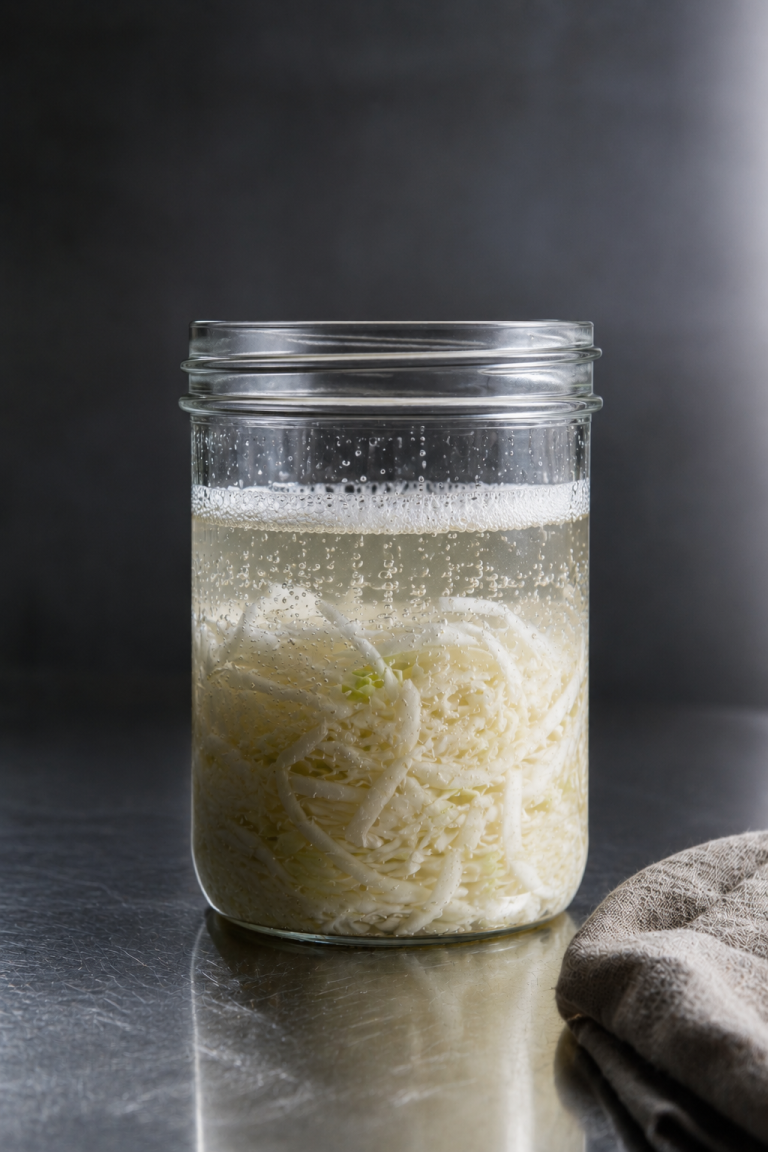
Lactic acid bacteria (LAB), the organisms responsible for fermentation in sauerkraut, kimchi, and most vegetable ferments, are relatively resistant to many of the antimicrobial compounds found in spices. Pathogenic organisms are not. The result is a selective pressure: spice compounds suppress the harmful bacteria while LAB dominate and drive the ferment forward.
Research shows that garlic extract exhibits the most effective antimicrobial activity against pathogenic strains including E. coli, S. aureus, S. flexneri, and S. pneumoniae, with ginger and related extracts also demonstrating significant inhibition zones against all tested pathogens.
The practical implication: spices in a ferment are not just flavour. They’re working with your bacteria, not against them.
They extend shelf life through a dual mechanism
During fermentation, lactic acid bacteria produce a range of metabolites with antimicrobial action, including hydrogen peroxide, lactic acid, acetic acid, and low molecular weight substances, as well as antifungal compounds and bacteriocins. Spice compounds add a second layer on top of this: a redundant system of pathogen suppression that ancient food cultures stumbled onto through observation.
This is why spiced ferments typically outlast plain brine ferments. The combination is more robust than either component alone.
They enhance the bioavailability of key compounds
Here’s where it gets more interesting, and where modern research is still catching up with traditional practice.
Fat-soluble bioactive compounds in spices, curcumin in turmeric, gingerol in ginger, the terpenoids in caraway, require a lipid environment for meaningful intestinal absorption. Fermentation produces an acidic, enzyme-rich environment that begins to break down cell walls and release these compounds from plant tissue. A variety of enzymes produced by LAB, such as cellulase and pectinase, can break down the tightly structured cell walls and promote the release of active ingredients, thereby enhancing efficacy.
In other words: fermentation doesn’t just preserve spice compounds. It helps liberate them from the plant matrix and makes them more accessible to your digestive system.
This is partly why turmeric has been used in fermented preparations in Ayurvedic and South Asian culinary traditions for centuries. The traditional formulation was intuitively optimised for bioavailability long before curcumin was isolated as a compound in 1815.
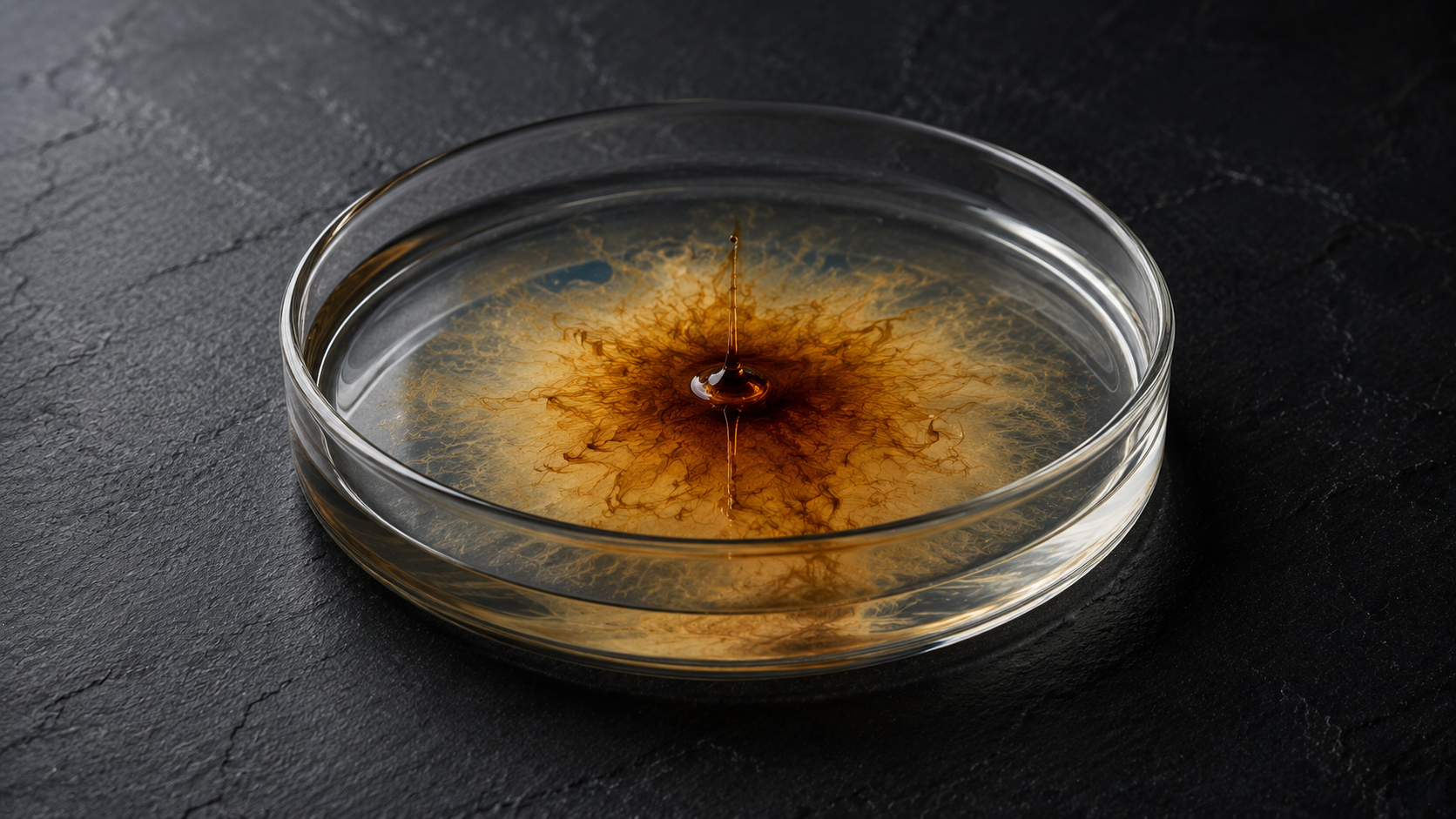
The key spices and what they’re actually doing
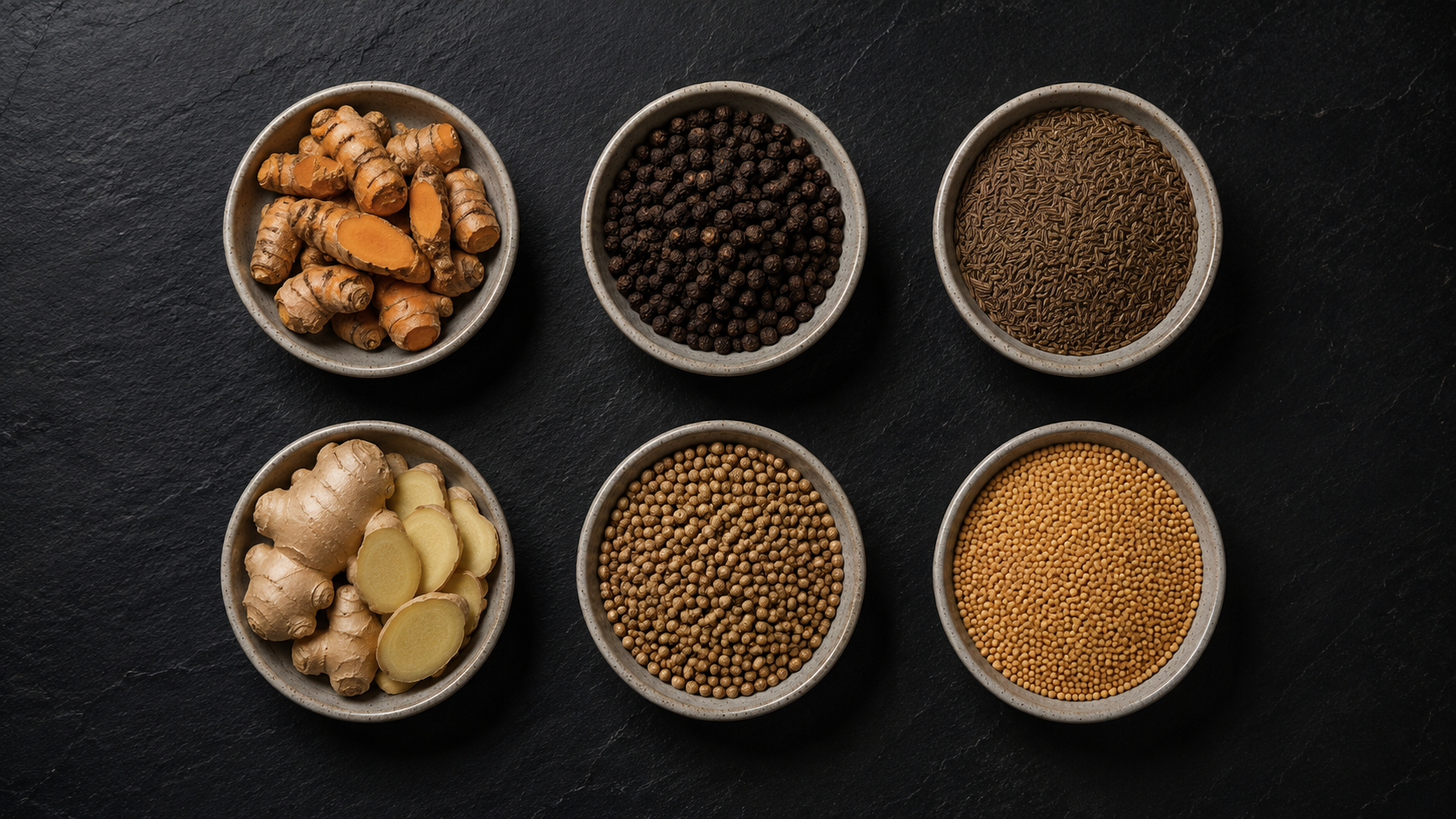
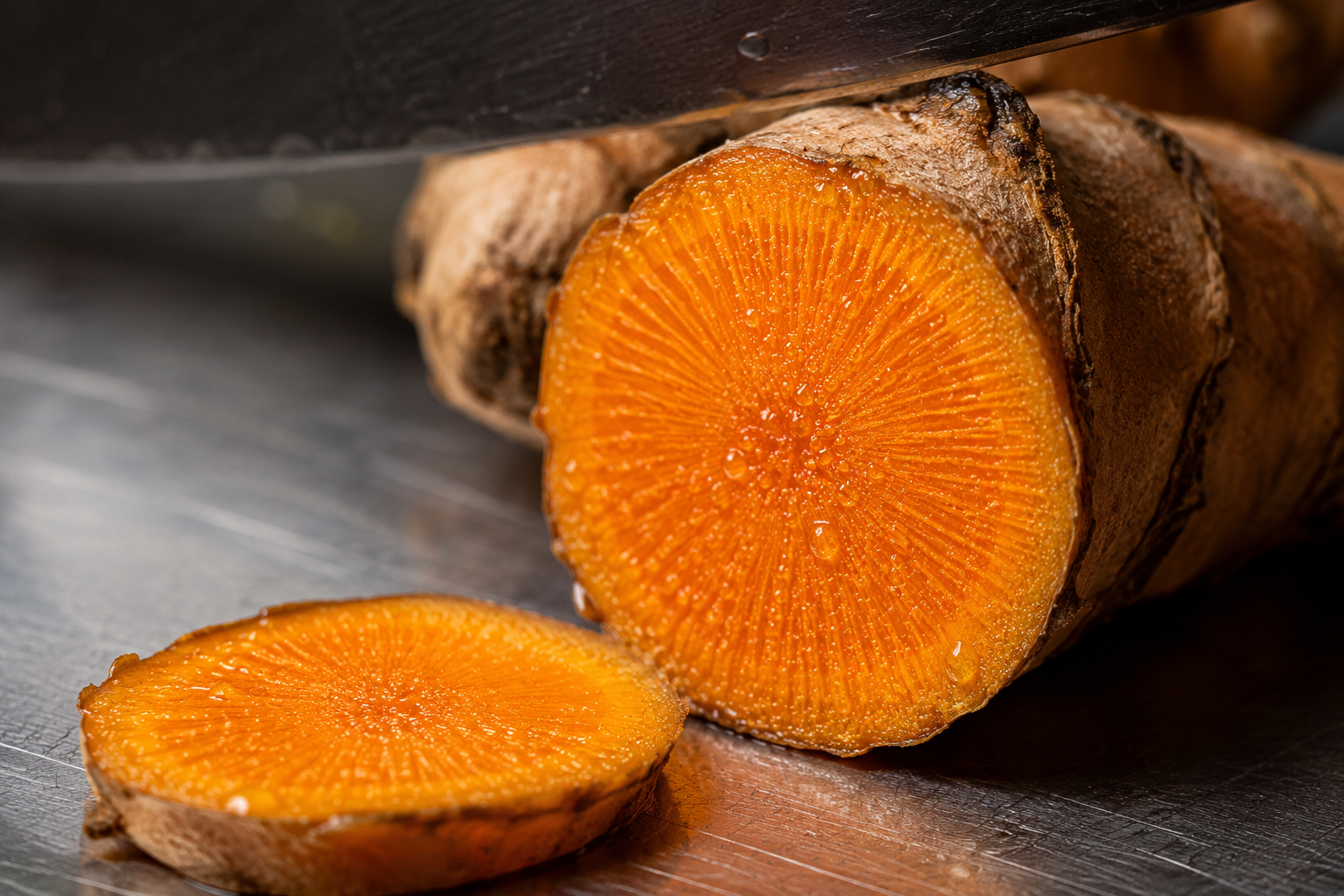
Turmeric. Curcumin is the primary bioactive compound, an anti-inflammatory polyphenol with a strong research base. The critical caveat is bioavailability: curcumin is poorly absorbed on its own. Two things improve this significantly, fat (curcumin is fat-soluble) and piperine, the active compound in black pepper, which enhances curcumin absorption by inhibiting its metabolic breakdown. [1] The traditional Ayurvedic pairing of turmeric with black pepper in oil-based preparations is functionally precise. It’s a delivery system, not just a recipe.
Ginger. Gingerol and shogaol are the primary active compounds, both well documented for their effects on gastric motility, nausea, and inflammatory pathways. [2] In fermented preparations, ginger provides both antimicrobial support during fermentation and digestive support at consumption. It’s also one of the more thoroughly studied spices for gut-specific mechanisms. There’s meaningful research on its effects on gastric emptying rate, which has direct implications for people managing digestive timing around training.
Caraway. Less glamorous than turmeric but deeply practical. Caraway’s traditional role in European fermented foods, particularly sauerkraut, is partly flavour and partly carminative: it actively reduces gas and bloating, which is a common side effect of increasing fermented food intake. The active compounds carvone and limonene have demonstrated efficacy for intestinal spasm and gas. [3] If you’re new to ferments, caraway is doing useful work.
Garlic. Allicin, the sulphur compound released when garlic is crushed, is one of the most potent natural antimicrobials in common food use. [4] Research on fermented preparations consistently shows garlic as the most effective spice against all tested pathogens. In fermented preparations, garlic’s antimicrobial properties help stabilise the ferment while also contributing prebiotic compounds (fructooligosaccharides) that selectively feed beneficial gut bacteria.
The problem with spices in traditional fermentation
Here’s the tension the craft doesn’t often acknowledge.
Adding spices directly into a fermentation vessel creates a fixed flavour profile. Once you’ve committed to caraway sauerkraut, that’s what you have. If you want something turmeric-forward next Tuesday, you’re starting a new batch. The flavour is baked in at the point of fermentation, not at the point of use.
This creates flavour fatigue. One jar of spiced ferment is excellent. Six jars of the same thing, three months in, is a discipline challenge.
The more efficient approach, and the one that makes actual daily use sustainable, is to ferment a neutral base and introduce the spice compounds at serving time. One batch, infinite expressions. Caraway tonight. Turmeric and black pepper tomorrow. The full spice stack on Sunday when you’ve cooked something that calls for it.
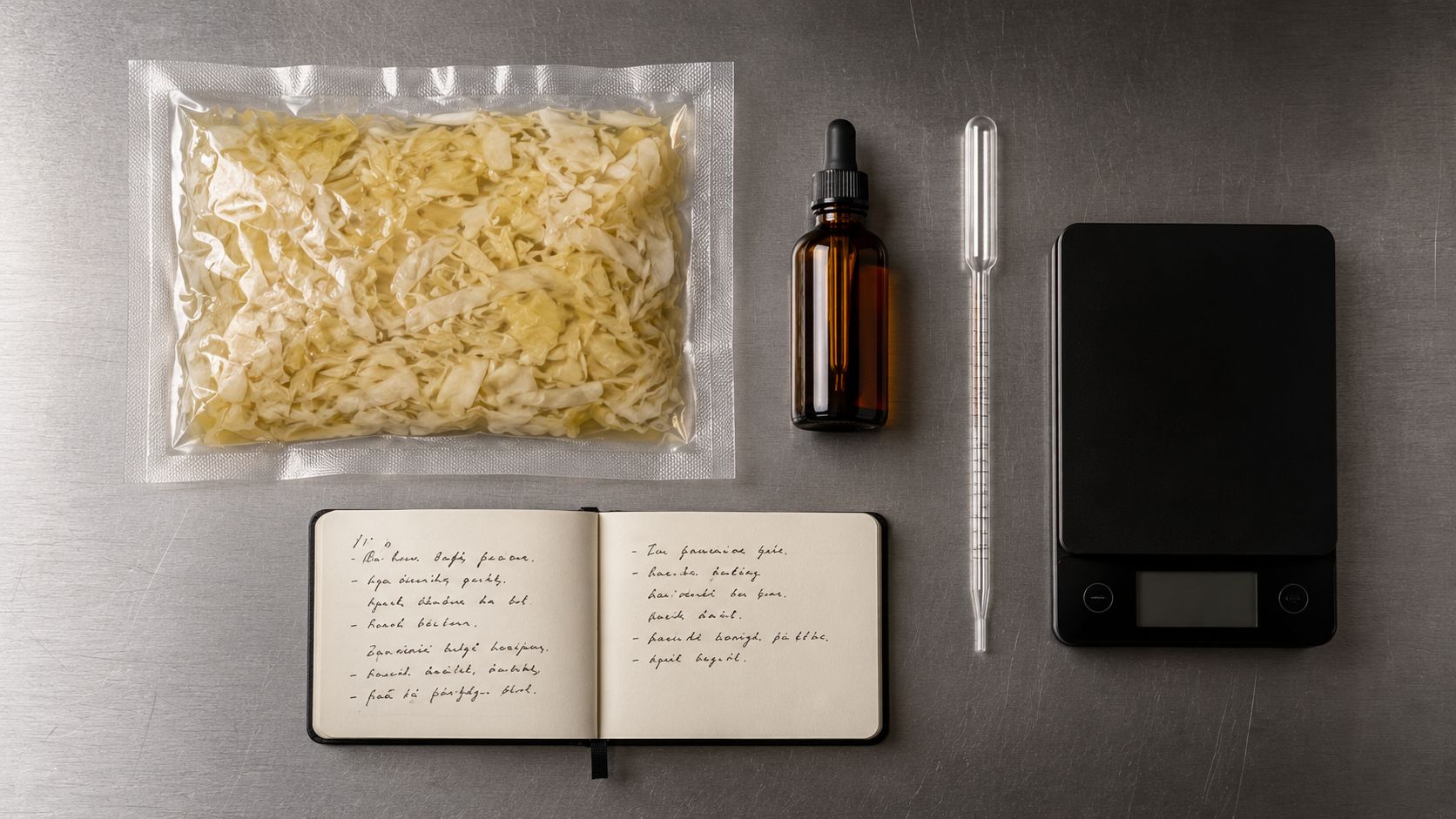
This is the logic behind the Neutral Base Method, and the reason the spice delivery format matters as much as the spices themselves. The bioactive compounds in turmeric, ginger, and caraway are fat-soluble. Extracting them into a medium-chain triglyceride (MCT) oil base, which stays liquid under refrigeration, carries no flavour of its own, and has a 12 to 24 month shelf life, gives you a precision delivery system that can be added to any ferment, any time, without altering the base.
The historical instinct was correct: spices belong with ferments. The modern refinement is separating the timing of each.
The practical protocol
If you’re building a fermentation practice and want to incorporate spice compounds effectively:
For traditional fermentation: Add spices in whole or lightly cracked form. Caraway seeds in sauerkraut. Whole peppercorns. Ginger sliced and added to the brine. Fat-soluble compounds won’t extract significantly into a water-based brine, but you’ll get flavour and the antimicrobial effect during fermentation.
For bioavailability: Add fat-soluble spice compounds (turmeric, ginger, caraway) in an oil medium at serving time. A few drops of an MCT oil extract stirred through at the point of use delivers compounds in a form your gut can actually absorb. If you’re eating ferments to support recovery or gut health, this is the mechanism that makes the difference.
On black pepper with turmeric: If you’re using turmeric for any anti-inflammatory application, pair it with black pepper. The piperine and curcumin combination is well documented. A turmeric-forward preparation without black pepper is a fraction as effective. This is not a subtle distinction.
On sourcing: Whole spices, ground fresh where possible. Pre-ground spice powders lose volatile compounds over time and are more susceptible to contamination. A basic spice grinder and whole seeds covers everything discussed here.
The spice trade shaped the ancient world more than almost any other commodity. Wars were fought, continents mapped, empires built, all for access to compounds that, it turns out, belong in your fermentation jar.
The people doing it three thousand years ago didn’t have the mechanistic explanation. They had the results. The science has since caught up, and the conclusion is the same: the combination works.
Start with caraway in your sauerkraut. Add turmeric and black pepper when you serve it. The rest follows from there.
▶ References
-
Anand, P., Kunnumakkara, A.B., Newman, R.A., & Aggarwal, B.B. (2007). Bioavailability of Curcumin: Problems and Promises. Molecular Pharmaceutics, 4(6), 807–818.
https://doi.org/10.1021/mp700113r -
Prasad, S., & Tyagi, A.K. (2015). Ginger and Its Constituents: Role in Prevention and Treatment of Gastrointestinal Cancer. Gastroenterology Research and Practice, 2015, 1–11.
https://doi.org/10.1155/2015/142979 -
Johri, R.K. (2011). Cuminum cyminum and Carum carvi: An update. Pharmacognosy Reviews, 5(9), 63–72.
https://doi.org/10.4103/0973-7847.79101 -
Nakamoto, M., Kunimura, K., & Suzuki, J. (2019). Antimicrobial properties of hydrophobic compounds in garlic: Allicin, vinyldithiin, ajoene and diallyl polysulfides. Experimental and Therapeutic Medicine.
https://doi.org/10.3892/etm.2019.8388
Field Notes Weekly
One Field Note. Every Monday. Mechanism first, no wellness language.