Why eating the ferment changes the gut you already have
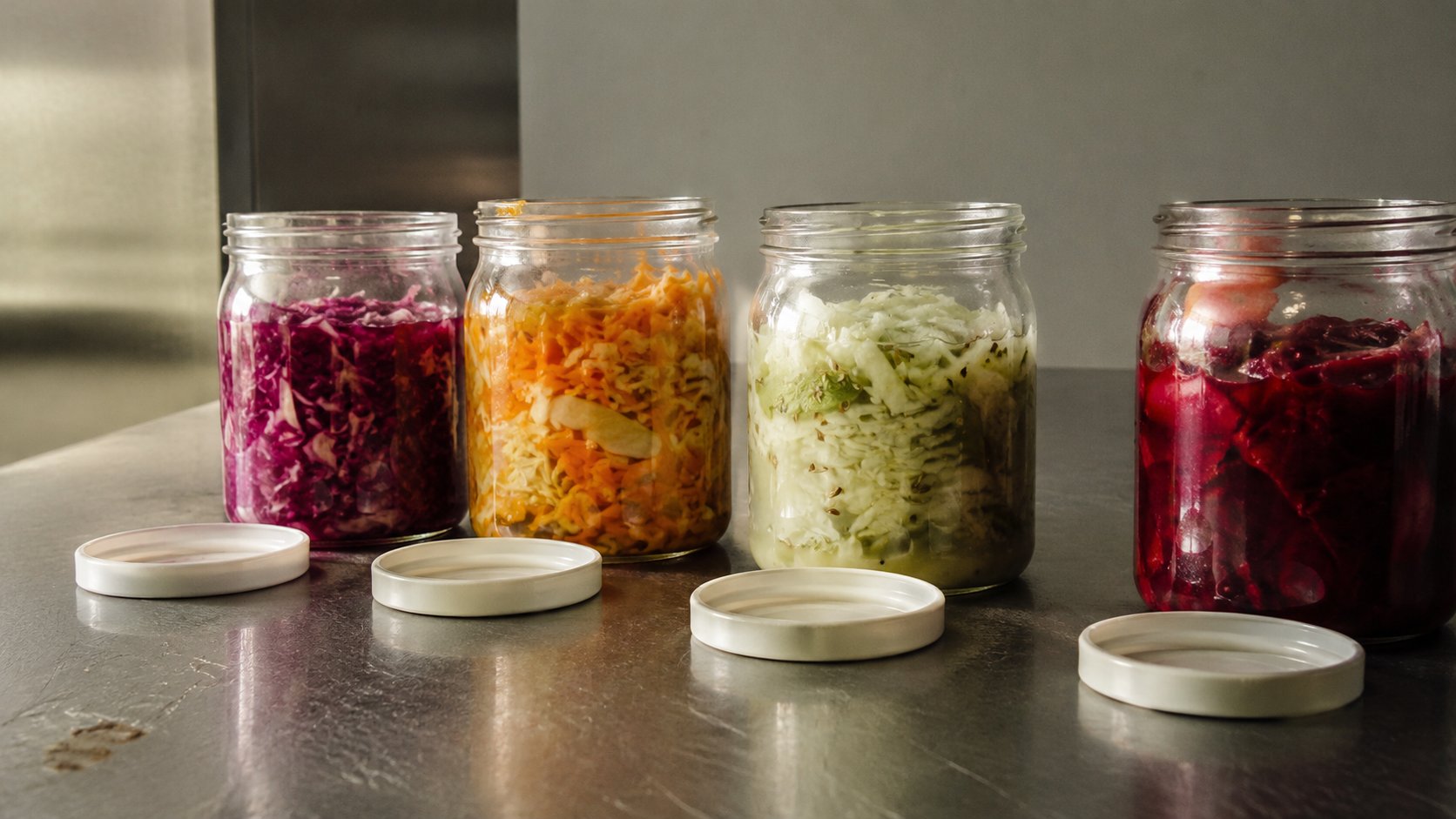
For three weeks the bag has been the subject. What you put in becomes flavour, then it becomes what your gut can absorb, then it becomes a question of heat. All of it stopped at the fork.
This week the food goes in, and the question changes. Not what the ferment carries, but what eating it does to the gut you already have.
The short version: a diet high in fermented foods raises the diversity of your resident microbiome. Diversity is the part that resists pathogens and tracks with lower inflammation. And the gut that gets more diverse is the one you already own, not the one in the bag.
What a diverse gut is actually for
The cleanest human evidence is a randomised Stanford trial published in Cell in 2021. Healthy adults spent ten weeks on one of two diets known to act on gut microbes: high fibre, or high in fermented foods.
The two diets did different things. The high-fibre arm fed the existing community and shifted its function, but community diversity stayed flat. The high-fermented-food arm steadily increased microbiota diversity and lowered numerous markers of inflammation across the group.
Here is the part that matters for this arc. The new species driving that diversity were largely not the ones in the food. The ferment did not deliver the diversity.
It remodelled the resident community so it could host strains it had not carried before. The bag is not a delivery van of bacteria. It is a signal that changes the gut you already have.
So diversity is the number that moved. Why is that the one worth chasing? A 2023 study in Science, run in test tubes and in mice rather than people, gives a concrete reason.
Single gut species on their own did almost nothing to stop two invading pathogens. Resistance climbed as the community got more diverse. The mechanism was competition for food.
A diverse community collectively consumes the nutrients an invader needs to establish, so there is nothing left for it to grow on. Diversity is not decoration. It is how the gut holds its ground.
Build variety, not volume
The practical line falls straight out of the mechanism. Diversity in the gut comes from variety on the plate, not volume of one thing.
One excellent kraut eaten every day is a single input. It is a good input, but the lever is rotation, not repetition. So run the Neutral Base Method and rotate what goes through it.
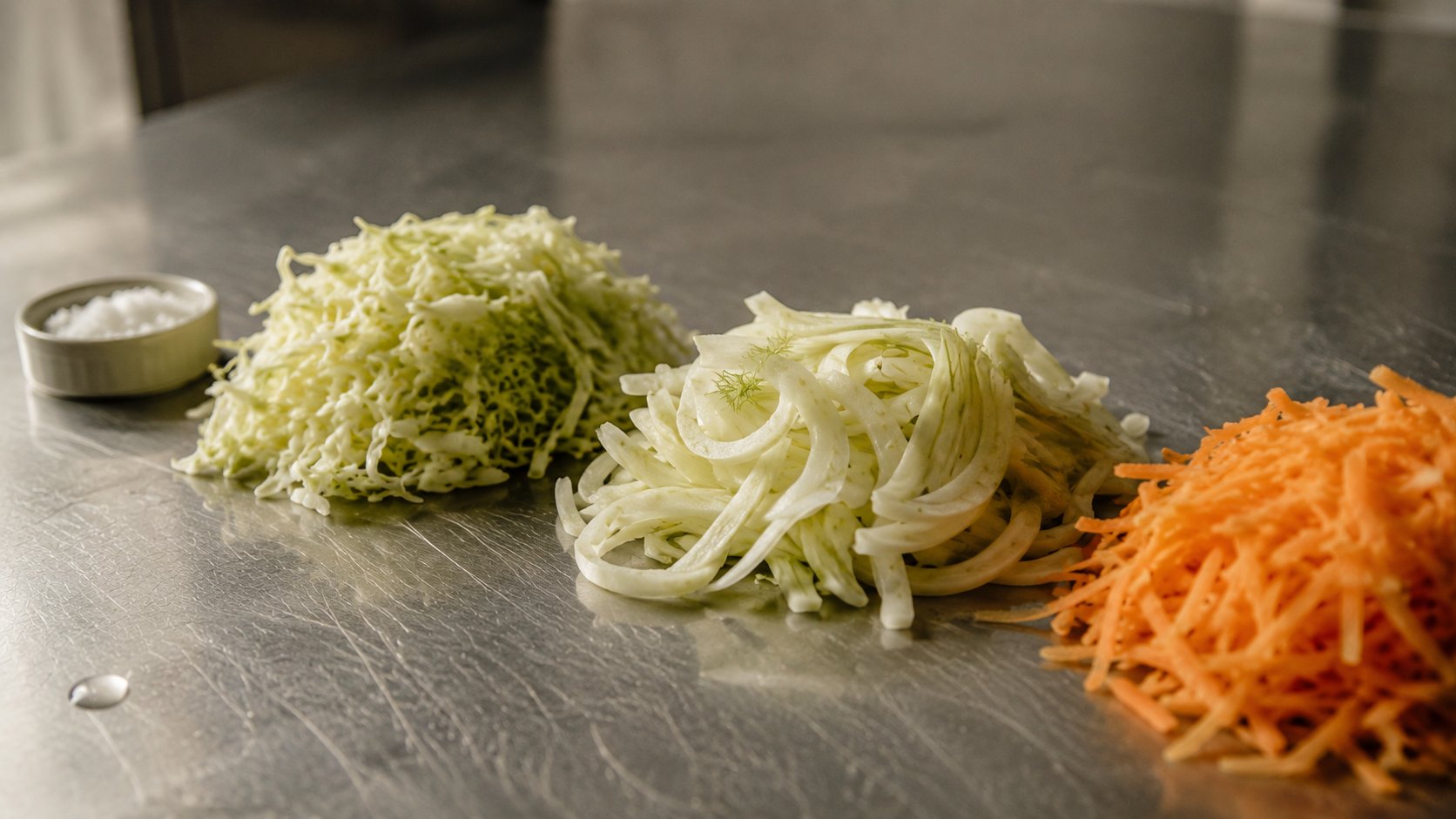
Cabbage for a fortnight, then a fennel and carrot build, then a brassica and allium batch. Same method each time: 2 per cent salt by total weight, dried spice at 1 per cent of the vegetable weight, into the chamber vac bag, fermented in days, not weeks. Each different plant feeds and seeds a slightly different set of organisms, and the rotation is what widens the field over time.
The second lever is consistency. The Stanford result came from steady daily intake across weeks, not a single large serve. A couple of forkfuls with a meal, most days, is the dose.
It survives a restaurant week because it lives in the fridge, ready, while you are out eating someone else’s cooking.
And to be straight with you: you are not going to measure your own microbiome diversity at home, and you do not need to. The protocol is variety plus consistency. The diversity follows from the two of them, the same way good bread follows from flour, water, salt and time without you watching the gluten form.
What this arc was always about
Four Mondays, one idea read from four sides. What you put in the bag becomes flavour, then it becomes what your gut absorbs, then it becomes a question of heat and survival, and now it becomes the resident community itself.
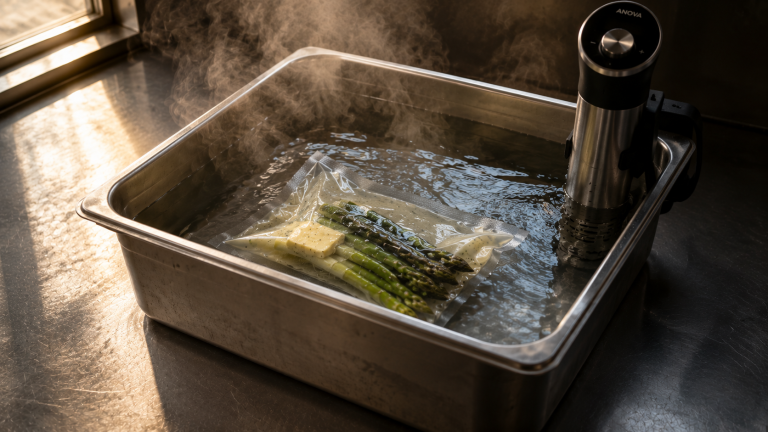
The bag was always a working model of the gut. Salt, plants, bacteria and time, sealed in a controlled space where you can watch the community build in days.
The Inner Ecosystem was never the jar on the bench. It was you. The bench is just the place the same biology runs slowly enough to see.
So the method is the message. You are not dosing a compound or chasing a single strain. You are running variety through a reliable base, consistently, and letting your own gut do what the bag previews.
If you have not built the base the rest of this rests on, start with the Neutral Base Method, then read what to add with rotation in mind rather than a single recipe.
Come back next Monday for a new Field Note.
References
- Wastyk, H. C., Fragiadakis, G. K., Perelman, D., et al. (2021). Gut-microbiota-targeted diets modulate human immune status. Cell, 184(16), 4137-4153. https://doi.org/10.1016/j.cell.2021.06.019
- Spragge, F., Bakkeren, E., Jahn, M. T., et al. (2023). Microbiome diversity protects against pathogens by nutrient blocking. Science, 382(6676), eadj3502. https://doi.org/10.1126/science.adj3502
Field Notes Weekly
One Field Note. Every Monday. Mechanism first, no wellness language.