The line from your gut to your brain runs mostly one way
You know the pattern. A rough week for your gut tends to be a rough week for your head as well. Most people file that under stress working in one direction, head to stomach, and leave it there.
The wiring runs the other way too. The main nerve between your gut and your brain carries most of its traffic upward, from the organs to the head, not down from the head to the organs.
So the gut is not only on the receiving end of how you feel. It is also sending.
That is the bridge out of the last arc. We spent four weeks building the resident gut and showing that diversity is the part that protects you.
The obvious next question is what that gut is wired to. This is the answer, and it opens the second of the three systems this site works through: the nervous system.
The wire, and what runs on it
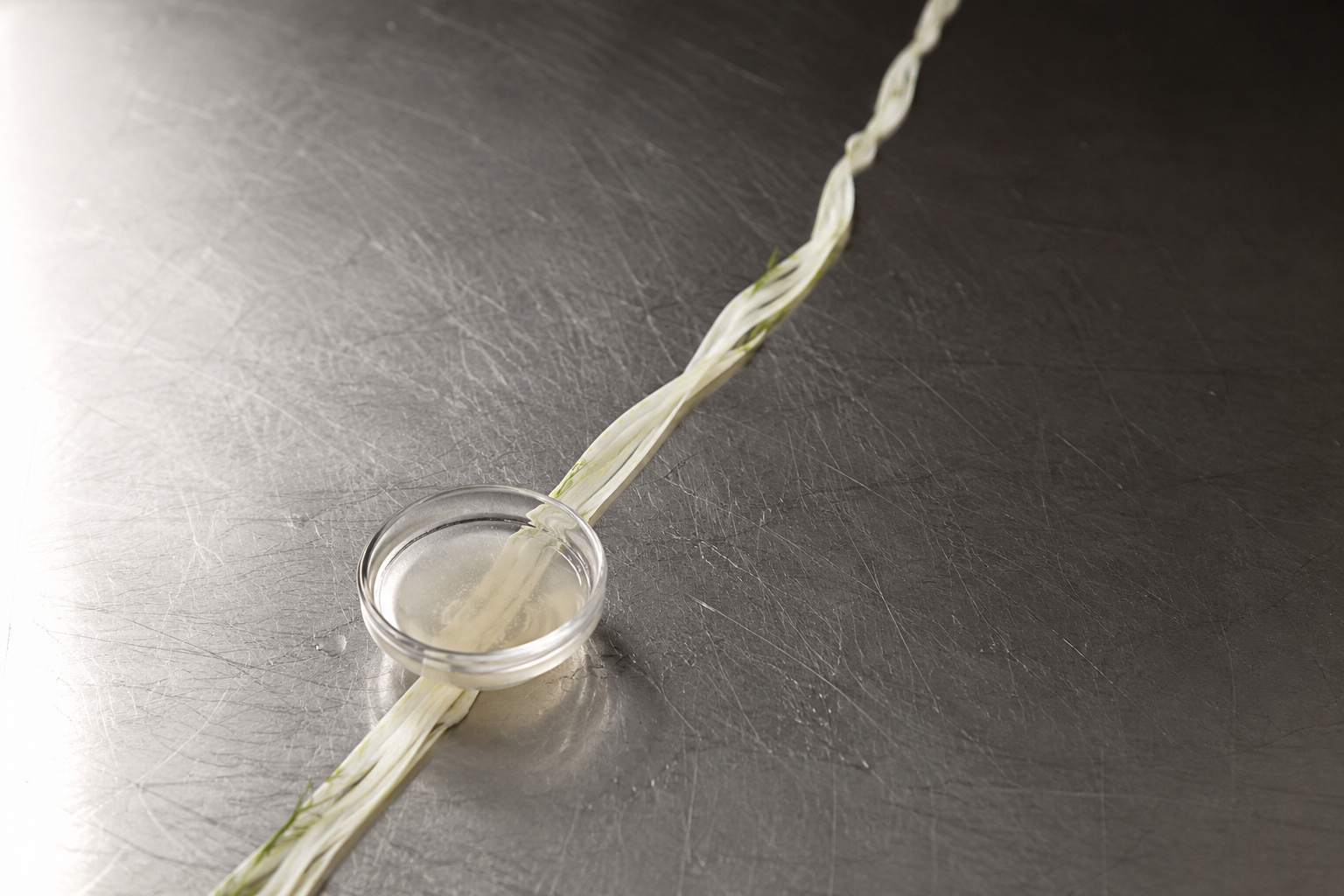
The line is the vagus nerve. It is the main physical connection between the gut and the brain, and the surprising part is the direction of flow.
Most of its fibres are sensory. They carry information up from the organs to the brain rather than commands down from the brain to the organs. The gut is talking more than it is being talked to.
The cleanest proof that the wire matters comes from a mouse. In a study in the Proceedings of the National Academy of Sciences, feeding healthy mice a single Lactobacillus strain lowered their stress hormone, reduced anxiety-type and depression-type behaviour, and shifted GABA receptors in the brain, the same receptors that calming medications act on.
Then the researchers cut the vagus nerve. The effects vanished. No working wire, no signal.
Be straight about what that is. It is a mouse, fed one isolated strain, with its nerve surgically cut. Read it as mechanism, not as a result you can expect from your lunch.
What it establishes is the principle: a change in the gut can reach the brain, and the vagus nerve is how it gets there.
In people the evidence is thinner and more careful, which is how it should be. A randomised trial in Gastroenterology gave healthy women a fermented milk product twice a day for four weeks, against two control groups. Brain scans afterwards showed a quieter response to an emotional attention task across the networks that handle feeling and bodily sensation.
Here is the honest asterisk. Their self-reported mood did not measurably change. What moved was brain activity on a scan, not how the women said they felt, and it was a small study.
So it is real, measurable, and modest. It is a long way from a mood cure, and anyone selling it as one is ahead of the data.
What this changes on the plate, and what it does not
The temptation with a finding like this is to reach for a strain, a pill, a single fix. The human evidence points somewhere much more boring, and much more like real cooking.
A second trial, in Molecular Psychiatry, put adults on a four-week diet built from the exact two levers this site keeps returning to: prebiotic plants and fermented foods. The diet group reported a 32 per cent drop in perceived stress, and the people who stuck to it most closely dropped the most.
The asterisk again, because it matters. That fall was measured within the group across the four weeks.
It did not clear the bar against the control group. This is early, not settled, and the honest reading is a promising signal rather than a proven effect.
What I take from it is not a claim. It is a reason.
The protocol does not change at all. Prebiotic plants and fermented foods, daily, the same pattern that builds gut diversity.
What widens is why you would bother. You are not only feeding the resident community now. You are feeding the thing that wire is attached to.
So the practical lines are the ones you already know, with one adjustment. Run the Neutral Base Method, 2 per cent salt by total weight, into the chamber vac bag, fermented in days, not weeks.
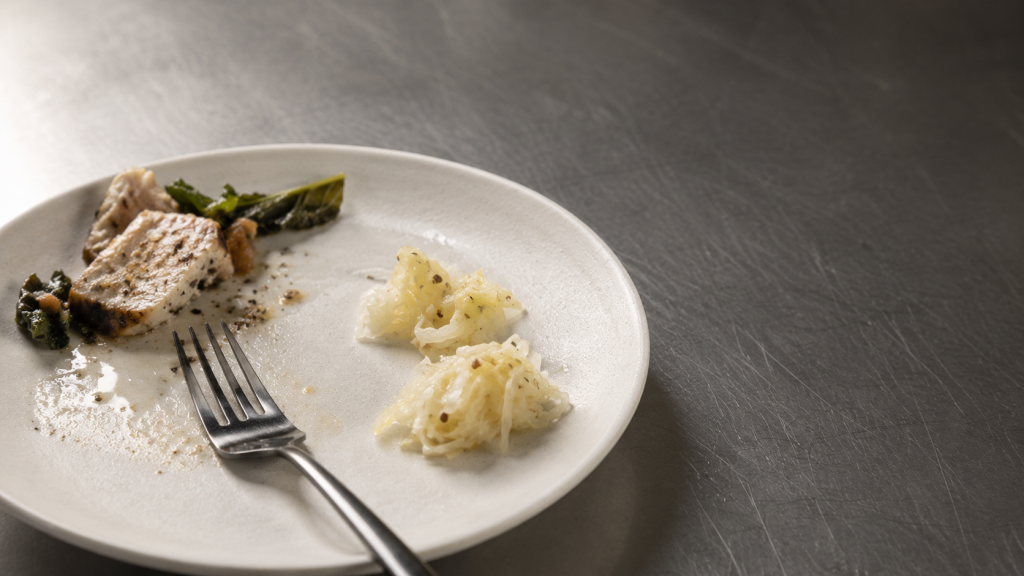
Rotate the plants so the inputs stay varied. Eat a couple of forkfuls with meals, most days, because the human studies ran on steady intake across weeks, not one big serve.
The adjustment is how you judge it. Gut flavour and texture you can read in a day. Anything on the nervous-system side, if it shows up at all, shows up slowly and quietly across a fortnight or more, not after a single meal.
Do not sit there auditing your mood after dinner. Keep the inputs steady and let the timescale be what it is.
And the usual guardrail, because this is the side of wellness that goes off the rails fastest. This is food, not treatment.
If your mood or stress is genuinely not right, that is a conversation with a doctor, not a jar of kraut. Fermented food earns a place in a good week. It does not replace care in a bad one.
Where the Neural Garden goes from here
This is the first post of a new arc, so it is worth naming the shape. The Inner Ecosystem arc was about the gut as a community you build. The Neural Garden is about the nervous system that gut is wired into, and how you work with it rather than against it.
The through line is the same one this whole site runs on. You are not dosing a compound or chasing a strain. You are setting up conditions and letting your biology do the work, the way a ferment does its own job once you seal the bag and stop interfering.
The gut you spent four weeks building now has somewhere to send the signal. Over the next few pieces we follow it up the wire and into the nervous system, where the question stops being what you eat and becomes how regulated the system is that receives it.
Come back next Monday for a new Field Note.
References
- Bravo, J. A., Forsythe, P., Chew, M. V., et al. (2011). Ingestion of Lactobacillus strain regulates emotional behavior and central GABA receptor expression in a mouse via the vagus nerve. Proceedings of the National Academy of Sciences, 108(38), 16050-16055. https://doi.org/10.1073/pnas.1102999108
- Tillisch, K., Labus, J., Kilpatrick, L., et al. (2013). Consumption of fermented milk product with probiotic modulates brain activity. Gastroenterology, 144(7), 1394-1401. https://doi.org/10.1053/j.gastro.2013.02.043
- Berding, K., Bastiaanssen, T. F. S., Moloney, G. M., et al. (2023). Feed your microbes to deal with stress: a psychobiotic diet impacts microbial stability and perceived stress in a healthy adult population. Molecular Psychiatry, 28(2), 601-610. https://doi.org/10.1038/s41380-022-01817-y
Field Notes Weekly
One Field Note. Every Monday. Mechanism first, no wellness language.